


Sodium Sulfide: A Versatile Activator in Strategic Mineral Flotation
Application Scope
Sodium sulfide (Na₂S) is a versatile flotation regulator that functions as an activator, depressant, and sulfidizing agent depending on the mineral processing system. Its unique reaction behavior makes it an important reagent for improving selectivity and recovery in complex sulfide and oxidized mineral flotation circuits.
The primary application of sodium sulfide is gold ore flotation, where it acts as an activator for oxidized gold-bearing minerals and assists in recovering gold associated with sulfide minerals. In oxidized gold ore systems, Na₂S can improve flotation response when conventional activators such as copper sulfate show limited effectiveness. In one gold ore processing application, a Na₂S dosage of 1,000 g/t combined with copper sulfate activation achieved a gold concentrate grade of 44.43 g/t with 85.58% recovery.
Primary Applications
Gold Ore Flotation: Sodium sulfide promotes the flotation response of oxidized gold-bearing minerals by modifying mineral surfaces and improving collector adsorption behavior.
Copper-Molybdenum Separation: Na₂S functions as a chalcopyrite depressant while maintaining molybdenite floatability. Combined reagent systems using Na₂S with organic depressants such as calcium lignosulfonate or sodium thioglycolate can improve Cu-Mo selectivity at optimized dosages.
Lead-Silver Ore Flotation: Sodium sulfide acts as an activator and surface modifier in complex lead-silver flotation circuits. Optimized application has achieved lead recovery of 89.2% and silver recovery of 64.9%.
Secondary Applications
Sodium sulfide is also used in sulfidization flotation of oxidized copper minerals such as malachite and in oxidized lead-zinc ore activation, where it converts oxide mineral surfaces into sulfide-like forms suitable for collector adsorption.
Mechanism
Sodium sulfide hydrolyzes in water to generate HS⁻ and S²⁻ species. In oxidized mineral activation, these sulfur species react with oxide surfaces to form hydrophobic sulfide coatings, improving collector attachment and flotation response.
In copper-molybdenum separation, Na₂S removes hydrophobic collector species from chalcopyrite surfaces and promotes the formation of hydrophilic surface layers, resulting in selective copper depression while preserving molybdenite flotation.
When combined with organic depressants, sodium sulfide can enhance surface modification effects and improve reagent selectivity through increased depressant coverage on target mineral surfaces.
Physicochemical Properties
Sodium sulfide is an inorganic sulfur compound supplied mainly as technical-grade flakes or lumps. Due to its strong alkalinity and reducing characteristics, it requires controlled storage and handling during mineral processing applications.
| Parameter | Specification |
|---|---|
| CAS Number | 1313-82-2 |
| Molecular Formula | Na₂S |
| Molecular Weight | 78.04 g/mol |
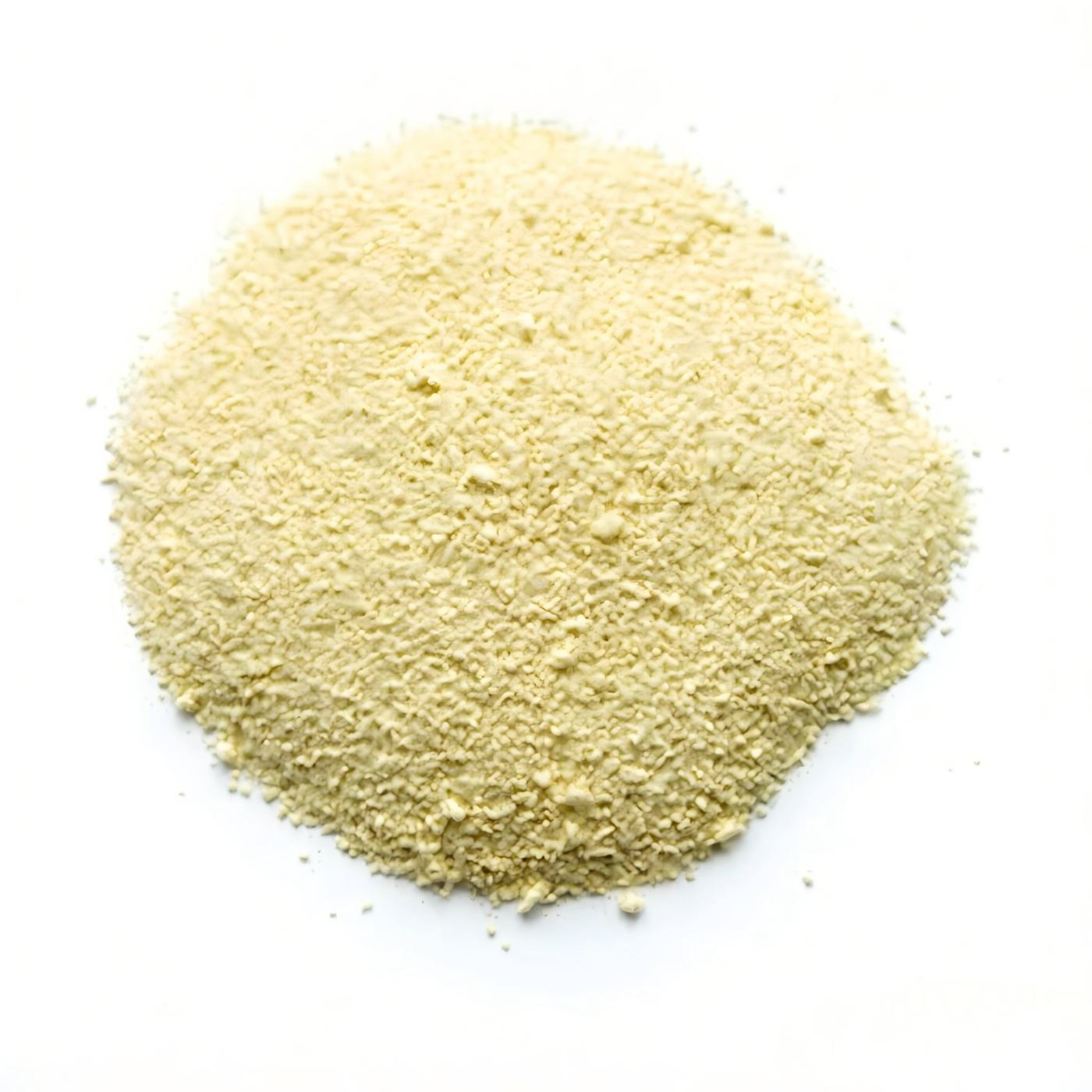
| Appearance | Yellow to reddish-brown flakes or lumps |
| Assay | 60–62% (technical grade) |
| pH (1% solution) | 12–13 |
| Solubility | Highly soluble in water (hydrolyzes) |
Specifications
Technical-grade sodium sulfide is suitable for industrial flotation reagent preparation, sulfidization treatment, and mineral surface modification processes. Its consistent assay range supports large-scale mineral processing applications requiring reliable sulfur-based chemistry.
Available in 60–62% technical grade
Suitable for gold, copper, lead, zinc, and polymetallic flotation systems
Compatible with combined reagent schemes for flotation optimization
Applicable for oxide mineral sulfidization and sulfide mineral depression
Storage & Handling
Store sodium sulfide in tightly sealed containers in a cool, dry, and well-ventilated area. Protect the product from moisture, direct sunlight, and heat sources, as Na₂S is hygroscopic and can be oxidized in air.
Keep sodium sulfide separated from oxidizing agents and strong acids. Contact with acids may release toxic hydrogen sulfide (H₂S) gas. Personnel should use chemical-resistant gloves, safety goggles, protective clothing, and suitable respiratory protection during handling.
In case of spillage, avoid dust formation, collect using appropriate methods, and dispose of waste according to applicable hazardous material procedures.
Advantages / Limitations
Advantages
Provides multifunctional performance as an activator, depressant, and sulfidizing agent across different mineral flotation systems.
Demonstrates strong activation performance in oxidized gold ore flotation where conventional reagents may show limited effectiveness.
Works synergistically with organic depressants to improve copper-molybdenum separation selectivity and reduce reagent consumption.
Has established industrial-scale application experience with predictable flotation performance.
Limitations
High consumption may occur in copper-molybdenum circuits due to oxidation reactions with minerals and metal ions.
Excessive dosage may depress valuable minerals, requiring accurate dosage control and process optimization.
Hygroscopic characteristics require careful storage conditions.
Acid contact can generate toxic hydrogen sulfide gas, requiring strict safety management.
Summary
Sodium sulfide (CAS 1313-82-2) is an essential flotation regulator widely applied in gold ore activation, copper-molybdenum separation, lead-silver beneficiation, and oxidized mineral sulfidization processes. Its ability to function as both an activator and depressant provides flexibility for complex mineral processing circuits.
With established industrial application, compatibility with combined reagent systems, and availability in 60–62% technical grade, sodium sulfide remains an important reagent for improving mineral selectivity and recovery. Proper dosage control, storage management, and safety procedures are required to achieve stable flotation performance.
Sodium Sulfide – FAQ
Q1. How does Sodium Sulfide work as an activator in oxide copper mineral flotation?
Sodium Sulfide is commonly used as a sulfiding activator in oxide copper flotation to modify mineral surface properties and improve the adsorption of sulfide mineral collectors. Through controlled sulfidization, oxide copper minerals can be converted into more collector-responsive surfaces, enhancing flotation selectivity under suitable conditions. The effectiveness depends on mineral composition, oxidation degree, particle size, pulp pH, and reagent sequence. Laboratory flotation tests are recommended to determine appropriate Sodium Sulfide dosage and optimize recovery, concentrate grade, and reagent consumption.
Q2. How should Sodium Sulfide dosage be optimized for oxide copper activation in flotation operations?
The optimal dosage of Sodium Sulfide varies according to ore mineralogy, oxidation level, copper oxide species, and flotation circuit conditions. Insufficient dosage may result in incomplete surface sulfidization, while excessive dosage can negatively affect collector adsorption and flotation selectivity. Optimization is usually performed through bench-scale tests by monitoring copper recovery, concentrate quality, pulp potential (ORP), and reagent interaction. Industrial application should consider continuous adjustment based on ore variability and process water conditions.
Q3. What is the activation mechanism of Sodium Sulfide in high-clay nickel oxide ore flotation?
In nickel oxide ore flotation, Sodium Sulfide can act as a sulfiding reagent that modifies oxidized nickel mineral surfaces and promotes interaction with sulfide-compatible collectors. In high-clay ores, its performance can be influenced by slime coating, mineral liberation, and reagent consumption by fine particles. Effective application usually requires proper pulp preparation, dispersion control, and optimization of reagent dosage. Laboratory evaluation under representative ore conditions is important to establish suitable operating parameters for stable flotation performance.
Q4. How does Sodium Sulfide influence the flotation behavior of oxidized gold-bearing minerals?
Sodium Sulfide may be evaluated in gold flotation systems containing oxidized gold-associated minerals where surface modification is required to improve collector response. Its effect depends on gold occurrence, associated sulfide minerals, oxide mineral composition, and overall flotation chemistry. Evaluation should include gold recovery, concentrate grade, mineral selectivity, pulp redox conditions, and compatibility with collectors and frothers. Because gold ores vary significantly, Sodium Sulfide application should be verified through laboratory flotation testing before commercial implementation.
Q5. How does Sodium Sulfide concentration affect pulp potential (ORP) during flotation?
Sodium Sulfide concentration has a direct influence on flotation pulp oxidation-reduction conditions due to its reducing and sulfidizing characteristics. Changes in ORP can affect mineral surface transformation, collector adsorption, and separation selectivity. During process optimization, ORP measurement is often combined with flotation performance testing to identify suitable operating conditions. The required Sodium Sulfide concentration depends on ore type, pulp pH, dissolved oxygen level, mineral oxidation state, and the presence of other flotation reagents.
Q6. What are the best practices for using Sodium Sulfide in tungsten and other oxide mineral flotation applications?
In tungsten and other oxide mineral flotation systems, Sodium Sulfide application requires careful control of mineral surface chemistry and reagent interactions. The reagent may assist in modifying oxidized mineral surfaces, but performance depends on ore composition, gangue minerals, collector selection, and flotation conditions. Best practices include laboratory verification, controlled reagent addition, monitoring of pulp conditions, and evaluation of concentrate quality. Site-specific testing is necessary because different oxide mineral systems respond differently to sulfidization treatment.
Q7. How can Sodium Sulfide activation performance be evaluated under high-calcium or high-salinity water conditions?
The activation performance of Sodium Sulfide under high-calcium or high-salinity water conditions should be evaluated using actual process water or simulated plant water during flotation testing. Dissolved ions may influence sulfidization reactions, mineral surface properties, and collector adsorption behavior. Key evaluation factors include recovery improvement, concentrate grade, pulp potential stability, reagent consumption, and flotation selectivity. Pilot-scale verification is recommended when significant differences exist between laboratory water conditions and industrial process environments.
Q8. What factors affect Sodium Sulfide purity requirements in mineral flotation applications?
Sodium Sulfide purity can influence flotation consistency by affecting reagent activity, solution stability, and the introduction of unwanted impurities into the process. Higher purity grades are generally preferred for applications requiring accurate control of sulfidization reactions and flotation selectivity. However, the suitable specification depends on ore characteristics, process requirements, and economic considerations. Quality evaluation should include active sulfide content, impurity levels, solution behavior, and compatibility with other flotation reagents used in the circuit.
Q9. How does Sodium Sulfide compare with Sodium Hydrosulfide in sulfide activation applications?
Sodium Sulfide and Sodium Hydrosulfide are both sulfur-based reagents used for mineral surface modification, but they differ in chemical composition, sulfide availability, solution behavior, and handling characteristics. The selection between them depends on mineral type, required sulfidization conditions, pulp chemistry, and process control requirements. In oxide copper and other oxidized mineral flotation systems, comparative laboratory testing is recommended to evaluate recovery, selectivity, reagent consumption, and operational compatibility before choosing the most suitable sulfiding reagent.
Q10. How is Sodium Sulfide applied in oxide mineral activation for copper, nickel, and other critical mineral processing?
Sodium Sulfide is widely evaluated as a sulfiding activator in the processing of oxidized copper, nickel, and other mineral resources where surface modification can improve flotation response. By converting certain oxide mineral surfaces into more sulfide-like forms, it may enhance collector interaction under appropriate conditions. Successful application requires control of dosage, pH, pulp potential, particle size, and reagent sequence. Metallurgical testing with representative ore samples is essential to determine process suitability and optimize industrial flotation performance.