


Thioacetamide: A Synergistic Activator for Refractory Zinc Mineral Flotation
Application Scope
Thioacetamide (TAA) is a specialty organic reagent used primarily as a synergistic activator for refractory zinc sulfide minerals. Its main application is in high-sulfur lead-zinc ore beneficiation, particularly for activating iron-bearing sphalerite (marmatite) under low-alkalinity flotation conditions.
In conventional zinc flotation circuits, copper sulfate (CuSO₄) is commonly applied to activate sphalerite. However, when iron substitutes into the sphalerite crystal structure, Cu²⁺ displacement of Fe²⁺ on the mineral surface becomes more difficult, reducing activation efficiency.
Thioacetamide provides an alternative activation pathway when combined with copper sulfate. A zinc activation formulation using TAA and CuSO₄ at a mass ratio of 1.5–3:1, with total activator dosage of 200–400 g/t feed ore, improves marmatite surface activation and supports selective separation from pyrite in low-alkalinity circuits.
Refractory Zinc Mineral Flotation
The primary value of thioacetamide lies in improving flotation performance of iron-rich sphalerite, where conventional copper sulfate activation may show limitations. The combined activator system helps reduce pyrite contamination in zinc concentrate while improving zinc grade and recovery stability.
Heavy Metal Precipitation Applications
Beyond mineral flotation, thioacetamide demonstrates sulfide precipitation capability in process water treatment applications. TAA-based precipitation systems can effectively remove heavy metals from mineral processing streams, with reported removal rates reaching 96–99% under suitable conditions.
Mechanism
Thioacetamide functions as a sulfide-generating activator. Under alkaline conditions, TAA hydrolyzes and releases sulfide species, which react with metal ions in the pulp to form sulfide films on mineral surfaces.
When combined with copper sulfate, the generated sulfide environment promotes copper sulfide film formation on iron-bearing sphalerite surfaces. This surface conversion creates additional reactive sites for collector chemisorption and improves mineral hydrophobicity.
The synergistic activation effect helps overcome the reduced response of marmatite to conventional Cu²⁺ activation, enabling more selective zinc flotation from pyrite under controlled pH conditions.
Physicochemical Properties
| Parameter | Specification |
|---|---|
| CAS Number | 62-55-5 |
| Molecular Formula | C₂H₅NS |
| Molecular Weight | 75.13 g/mol |
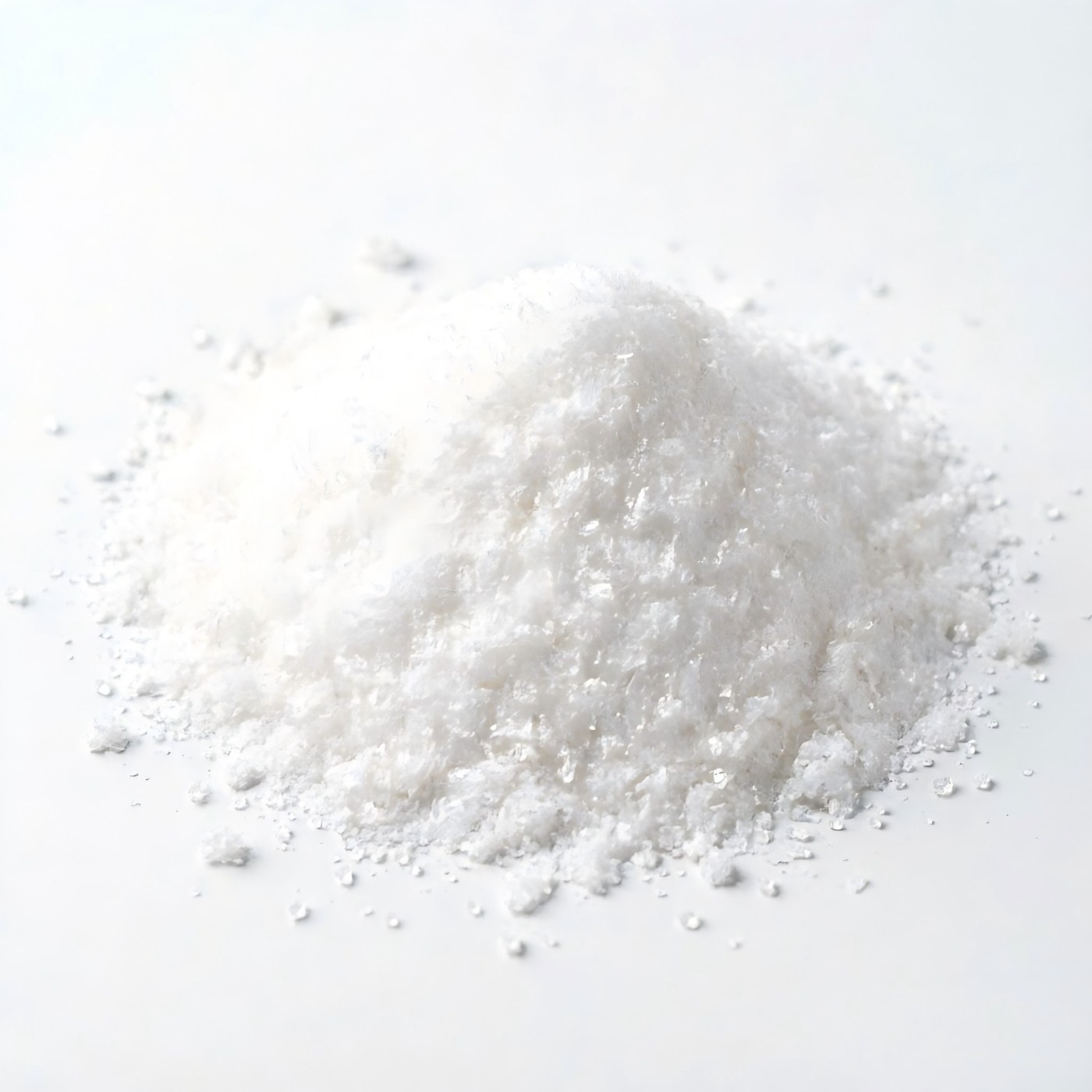
| Appearance | White to colorless crystals |
| Assay (Technical Grade) | ≥98.0% |
| Melting Point | 112–114°C |
| Solubility | Soluble in water and alcohol |
Specifications
Thioacetamide is supplied as a technical-grade organic reagent suitable for specialized mineral processing applications requiring controlled sulfide generation and surface activation. Its application is typically optimized through combination with copper sulfate and specific flotation circuit conditions.
Storage & Handling
Store thioacetamide in tightly sealed containers in a cool, dry and well-ventilated area. Protect the material from moisture, direct light and strong oxidizing agents.
Because thioacetamide can decompose under unsuitable conditions, operators should wear appropriate personal protective equipment including chemical-resistant gloves, safety goggles and protective clothing during handling.
Spilled material should be collected carefully and disposed of according to applicable hazardous waste management procedures.
Advantages / Limitations
Advantages
Effective activator for iron-bearing sphalerite where conventional CuSO₄ activation may show reduced performance.
Supports low-alkalinity zinc flotation circuits with reduced lime demand.
Synergistic with copper sulfate at controlled dosages of 200–400 g/t for improved zinc flotation response.
Provides additional heavy metal precipitation capability in mineral process wastewater treatment.
Limitations
Specialty reagent with more limited industrial adoption compared with conventional copper sulfate.
Requires precise dosage control and formulation optimization with CuSO₄.
Application range is mainly focused on zinc activation and heavy metal precipitation systems.
Under heat or strong alkaline conditions, decomposition may generate toxic H₂S and ammonia.
Summary
Thioacetamide (CAS 62-55-5) is an emerging specialty activator for refractory zinc mineral flotation, particularly targeting iron-bearing sphalerite in high-sulfur lead-zinc ores.
Used synergistically with copper sulfate at a 1.5–3:1 mass ratio and 200–400 g/t dosage range, thioacetamide improves marmatite activation under low-alkalinity conditions and supports selective zinc recovery from complex sulfide ores.
With additional applications in heavy metal precipitation from mineral processing wastewater, thioacetamide provides a targeted solution for operations requiring enhanced zinc flotation performance beyond conventional activation methods.
Thioacetamide – FAQ
Q1. How is Thioacetamide used as an activator in copper oxide mineral flotation?
Thioacetamide can be evaluated as a sulfur-donating reagent in oxide mineral flotation systems where surface sulfidization is required before collector adsorption. In copper oxide flotation, Thioacetamide may promote the formation of sulfur-containing surface species under suitable pulp conditions, improving the interaction between mineral surfaces and sulfide collectors. The optimal dosage depends on ore mineralogy, oxidation degree, pulp pH, and the presence of gangue minerals. Laboratory flotation tests are recommended to determine the suitable addition sequence, conditioning time, and concentration range for each copper oxide ore.
Q2. What is the reaction mechanism of Thioacetamide when activating oxidized nickel minerals?
Thioacetamide activation of oxidized nickel minerals is mainly related to its ability to release reactive sulfur species under specific chemical conditions. These sulfur species can interact with oxidized mineral surfaces and modify their surface properties, creating more favorable conditions for collector adsorption. For high-clay nickel ores, the effectiveness of Thioacetamide depends on mineral composition, slime content, pulp chemistry, and dispersion conditions. Process optimization usually includes evaluation of pulp pH, reagent concentration, conditioning time, and compatibility with dispersants to improve selectivity and flotation performance.
Q3. How does Thioacetamide concentration affect flotation pulp electrochemical conditions?
The concentration of Thioacetamide can influence the chemical environment of flotation pulp by affecting sulfur-related reactions and surface modification processes. Changes in reagent concentration may alter pulp oxidation-reduction conditions, surface chemistry, and collector-mineral interactions. During flotation testing, parameters such as oxidation-reduction potential (ORP), pH, dissolved oxygen, and mineral surface changes should be monitored to establish suitable operating conditions. The required concentration is normally determined through laboratory evaluation rather than a fixed value, as ore oxidation level and gangue composition significantly affect reagent response.
Q4. Can Thioacetamide be combined with copper sulfate for mineral activation applications?
Thioacetamide and copper sulfate may provide complementary effects in certain flotation systems by modifying mineral surface properties through different chemical pathways. Copper sulfate is commonly used as an activator for sulfide mineral flotation, while Thioacetamide can participate in sulfur-related surface reactions. Their combined application should be evaluated carefully because excessive reagent interaction may influence selectivity between valuable minerals and gangue. Laboratory testing should examine dosage ratio, conditioning sequence, pulp chemistry, and flotation response to determine whether the combination improves recovery and concentrate quality for a specific ore type.
Q5. How should Thioacetamide activation performance be evaluated in gold flotation applications?
For gold flotation applications, Thioacetamide activation performance should be evaluated based on its influence on associated gold-bearing minerals rather than gold itself in isolation. Test programs typically analyze changes in mineral surface characteristics, collector response, gold recovery, concentrate grade, and selectivity against gangue minerals. Important factors include ore oxidation state, sulfide content, clay minerals, pulp pH, and reagent compatibility. Bench-scale flotation tests under controlled conditions can help determine whether Thioacetamide provides practical benefits for improving the recovery of gold-associated sulfide or oxidized mineral components.
Q6. What factors influence the dosage optimization of Thioacetamide in flotation processes?
The optimal dosage of Thioacetamide depends on several factors, including mineral oxidation degree, target mineral type, pulp chemistry, reagent interactions, and flotation flowsheet design. Insufficient dosage may provide limited surface modification, while excessive dosage may reduce selectivity or increase reagent consumption. Industrial optimization usually involves stepwise dosage testing combined with monitoring of flotation recovery, concentrate quality, pulp potential, and reagent consumption. A customized dosage range should be established through mineral processing tests using representative ore samples rather than relying only on general application data.
Q7. How does Thioacetamide compare with sodium sulfide in mineral activation applications?
Thioacetamide and sodium sulfide both provide sulfur-related chemical effects in mineral surface modification, but their reaction characteristics and application conditions are different. Sodium sulfide is widely used for sulfidization treatment of oxide minerals, while Thioacetamide may provide a more controlled sulfur release behavior under certain conditions. Selection between these reagents depends on ore mineralogy, required selectivity, environmental considerations, and flotation circuit requirements. Comparative laboratory testing should evaluate recovery, selectivity, pulp chemistry changes, reagent stability, and overall process performance before industrial implementation.
Q8. What is the role of Thioacetamide in high-clay mineral flotation systems?
In high-clay mineral flotation systems, Thioacetamide performance should be considered together with pulp dispersion and surface chemistry control. Clay minerals can consume reagents, increase slurry viscosity, and interfere with mineral-bubble attachment. When applied in such systems, Thioacetamide evaluation should include the influence of dispersants, conditioning time, pulp density, and water chemistry. A combined reagent strategy may be required to reduce slime interference and improve mineral selectivity. Laboratory flotation tests are essential to determine the appropriate reagent combination for complex clay-rich ores.
Q9. How should Thioacetamide stability be evaluated under different water quality conditions?
The performance stability of Thioacetamide can be affected by water chemistry parameters including calcium ions, dissolved salts, pH, and other dissolved species commonly present in mine process water. Evaluation under different water conditions helps determine potential changes in reagent behavior, mineral surface reactions, and flotation selectivity. Practical testing should compare fresh water and recycled process water conditions while monitoring flotation recovery, concentrate quality, pulp chemistry, and reagent consumption. This approach helps establish suitable operating conditions for mines with variable water quality.
Q10. What are the differences between Thioacetamide and thiourea in flotation activation applications?
Thioacetamide and thiourea are both sulfur-containing organic compounds, but their chemical structures and reaction behaviors differ. In mineral processing applications, their effectiveness depends on sulfur release characteristics, mineral surface interaction, operating pH, and compatibility with other flotation reagents. Thioacetamide may be selected where controlled sulfur-related surface modification is required, while thiourea has different chemical properties and application considerations. Comparative testing should focus on mineral recovery, selectivity, reagent consumption, pulp chemistry, and environmental management requirements for the specific flotation system.