


Cracking Refractory Silica Ores: PANDA Leaching Agent Achieves 80% Recovery vs. 43% for Competitors
Introduction: The Challenge of Silica-Rich Gold Ores
Gold mining operations in Guangxi and similar regions often face a specific geological challenge: high-silica ores where gold is encapsulated within quartz and silicate minerals. These "refractory" ores are notoriously difficult to process because the gold is physically locked away, resisting conventional leaching methods.
This case study details how the PANDA Environmentally Friendly Gold Leaching Agent achieved an 80.49% recovery rate on a complex silica-rich ore, significantly outperforming a competing agent which managed only ~43%.
The Ore: A Metallurgist's Puzzle
The raw ore for this study contained a gold grade of 2.10 g/t. Mineralogical analysis revealed a complex composition:
High SiO2 Content: The primary gangue mineral.
Gold Distribution: A staggering 57.62% of the gold was identified as "quartz and silicate-coated gold."
Other Forms: Gold was also found in sulfides, carbonates, and pyrite.
This composition makes the ore highly resistant to leaching. To expose the locked gold, fine grinding is essential.
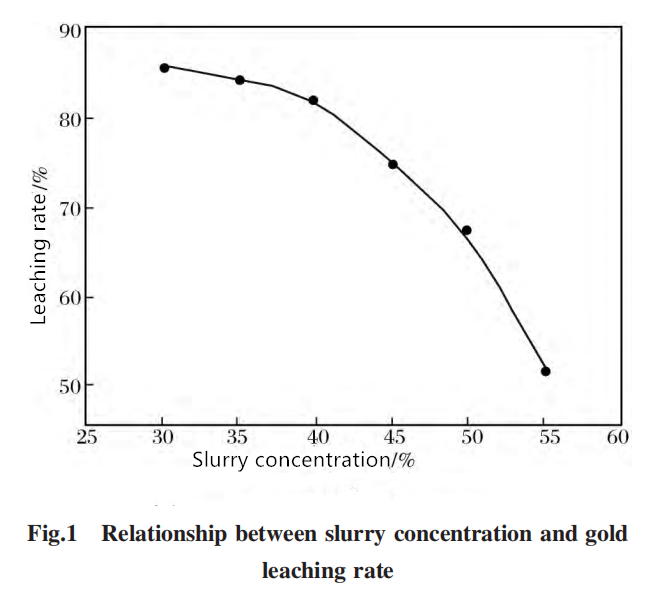
Figure 1: Optimizing slurry concentration is critical for balancing recovery and viscosity.
The PANDA Advantage: Data-Driven Superiority
| Performance Metric | PANDA Leaching Agent | Competitor Agent (Jin Tong) |
|---|---|---|
| Avg. Gold Leaching Rate | 80.49% | 42.98% |
| Key Advantage | High adaptability to silica | Low recovery in refractory ores |
While the competitor's agent failed to break through the silicate matrix effectively, the PANDA agent demonstrated superior penetration and complexation capabilities, achieving nearly double the recovery rate.
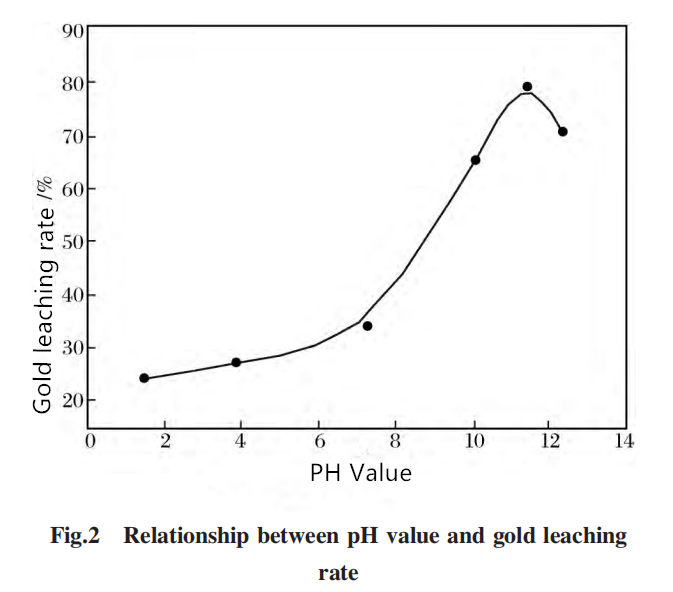
Figure 2: The pH sweet spot for PANDA leaching in this ore type (pH 11-12).
Optimizing the Process: 5 Key Parameters
To achieve the 80%+ recovery rate, the laboratory optimized the following parameters for the CIP/CIL Process:
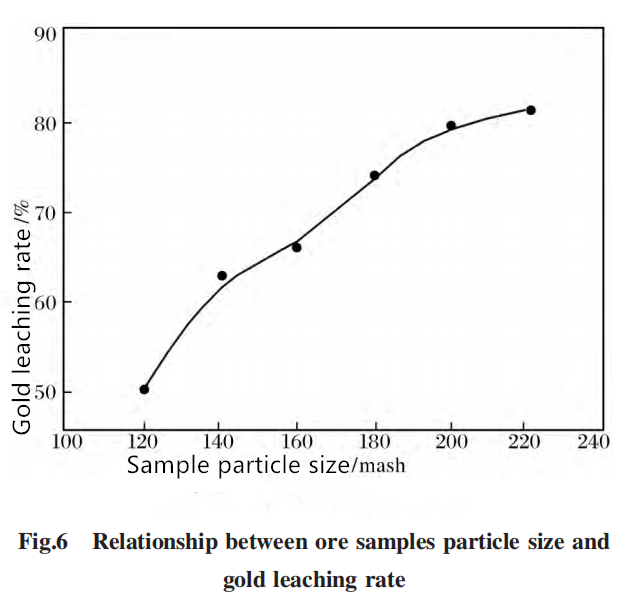
Grinding Fineness: < 200 mesh. This fineness is necessary to liberate the gold particles from the silicate host.
Slurry Concentration: 40%. This balance ensures efficient mixing without overly thick slurry.
pH Value: 11.0 - 12.0. Maintained using CaO (lime), which is cost-effective and standard in mining operations.
Reagent Dosage: 300 g/t of ore. This dosage proved optimal for economic efficiency.
Temperature & Time: 20-40°C (ambient) for 24 hours.
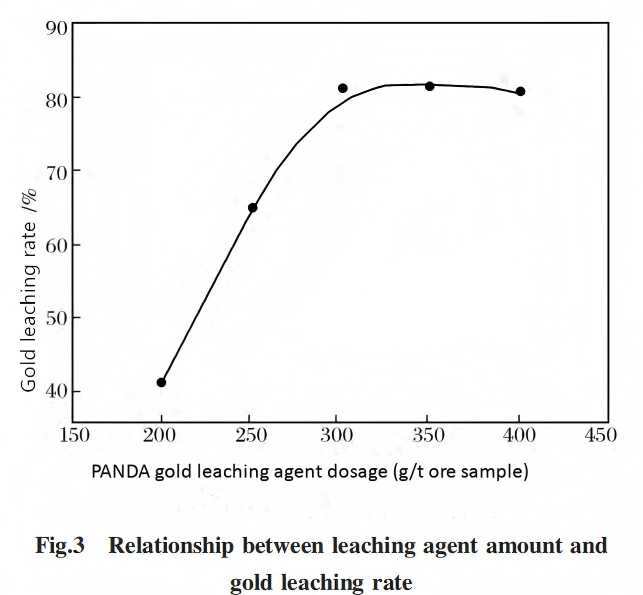
Figure 3: Gold recovery increases significantly with PANDA dosage up to 300 g/t.
Why Ambient Temperature Leaching Matters
Unlike some alternative processes that require high heat (increasing energy costs), the PANDA agent operates effectively at ambient temperatures (20-40°C). As shown in the temperature test results, recovery rates peak within this range.
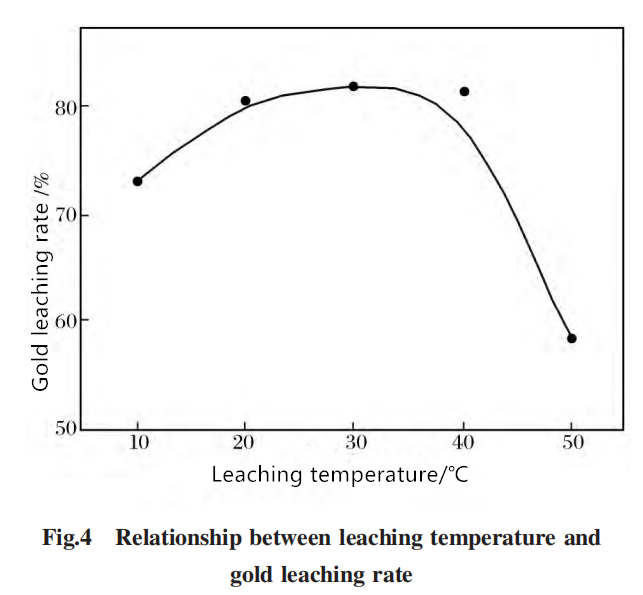
Figure 4: PANDA maintains high efficiency at ambient temperatures, reducing operational energy costs.
Conclusion: A Viable Alternative to Cyanide
For mines burdened by high-silica, refractory ores, the PANDA agent offers a compelling solution. It not only replaces toxic cyanide but also proves its metallurgical superiority over other non-cyanide agents in specific challenging geological conditions.
By operating efficiently at ambient temperatures and standard pH levels, PANDA provides a pathway to high recovery rates without the environmental liabilities of traditional methods.
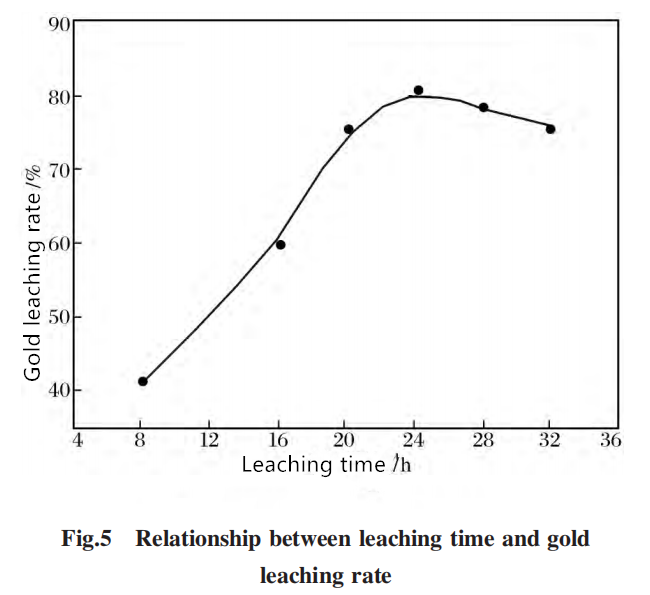
Figure 5: 24 hours is the optimal duration for maximizing gold recovery.
Related Catalogues:
Related Products:
Related Solutions:
GOLD RECOVERY OPTIMIZATION SYSTEM
FAQ for PANDA Leaching Agent Achieves 80% Recovery vs. 43% for Competitors
1. What is the recovery rate of PANDA leaching agent for high-silica gold ores?
Answer: In testing on a Guangxi gold mine with complex silicate minerals, the PANDA agent achieved an average gold leaching rate of 80.49%. This was determined under optimized conditions: ore particle size <200 mesh, slurry concentration of 40%, pH 11-12, reagent dosage of 30um 300 g/t, and a leaching time of 24 hours at ambient temperature.
2. How does PANDA compare to other non-cyanide leaching agents for refractory ores?
Answer: PANDA significantly outperforms competing agents in refractory applications. In a direct comparison using the same ore sample, the PANDA agent achieved an 80% recovery rate, whereas the competing "Jin Tong" gold dressing agent only managed an average recovery of 42.98%. This demonstrates PANDA's superior ability to penetrate silicate coatings and extract encapsulated gold.
3. What is the optimal grinding fineness for PANDA leaching of silicate ores?
Answer: To achieve maximum recovery in ores where gold is coated by quartz and silicates, the ore must be ground to < 200 mesh. This particle size ensures sufficient liberation of the gold minerals from the gangue, allowing the PANDA reagent to make contact and dissolve the gold effectively.
4. Does the PANDA leaching process require high temperatures or special heating equipment?
Answer: No. One of the key advantages of the PANDA process is its effectiveness at ambient temperatures (20-40°C). The experimental data shows that the leaching rate peaks within this range. This eliminates the need for expensive heating systems, reducing both capital expenditure (CAPEX) and operational expenditure (OPEX) for mining operations.
5. What is the recommended dosage and pH for the PANDA environmentally friendly leaching agent?
Answer: The optimal process conditions determined by the experiment are:
Dosage: 300 g/t of ore (This was found to be the most economical point where increasing dosage did not significantly improve recovery).
pH Value: 11.0 to 12.0 (Adjusted and maintained using Calcium Oxide/Lime, which is standard and cost-effective in mining operations).