


Tributyl Phosphate (TBP) | High Purity Mineral Extraction Solvent
Application Scope
Tributyl Phosphate (TBP) is a high-purity organic phosphate solvent widely applied in hydrometallurgy, mineral processing, mineral analysis and industrial chemical manufacturing. With a minimum purity of 99%, TBP provides stable extraction performance, reliable phase separation and consistent process compatibility for professional metallurgical workflows.
FKN PANDA TBP is designed for applications requiring controlled solvent extraction performance, including rare earth element separation, mineral sample processing and metallurgical testing. Its stable physical and chemical properties support accurate laboratory evaluation and reliable industrial separation operations.
Hydrometallurgy and Mineral Analysis
TBP functions as a high-efficiency extraction solvent in hydrometallurgical processes, especially for rare earth metal separation and purification applications. Its complete insolubility in water enables clear organic-aqueous phase separation, reducing cross-contamination risks during solvent extraction operations.
In mining laboratories and mineral processing facilities, TBP supports mineral sample preparation and metallurgical testing workflows by providing stable extraction conditions and improving the repeatability of analytical procedures.
Industrial Chemical and Material Manufacturing
Beyond mineral extraction applications, TBP is also used as a professional chemical intermediate and functional additive in industrial manufacturing. It can serve as an additive for paints, coatings and inks, while also functioning as a defoaming agent and plasticizer for materials including nitrocellulose, chlorinated rubber and PVC.
Mechanism
Tributyl Phosphate works as an organic phosphate extraction solvent through its ability to selectively interact with target metal compounds during solvent extraction processes. When combined with suitable extraction systems, TBP facilitates the transfer of specific metal components between aqueous and organic phases.
The water-insoluble characteristic of TBP creates effective phase separation between organic and aqueous solutions, supporting cleaner extraction circuits and improving operational control in hydrometallurgical applications.
Solvent Extraction Performance
During hydrometallurgical separation, TBP contributes to stable organic phase formation and efficient metal extraction workflows. Its high purity and controlled impurity levels help reduce interference factors during mineral analysis and extraction process evaluation.
Physicochemical Properties
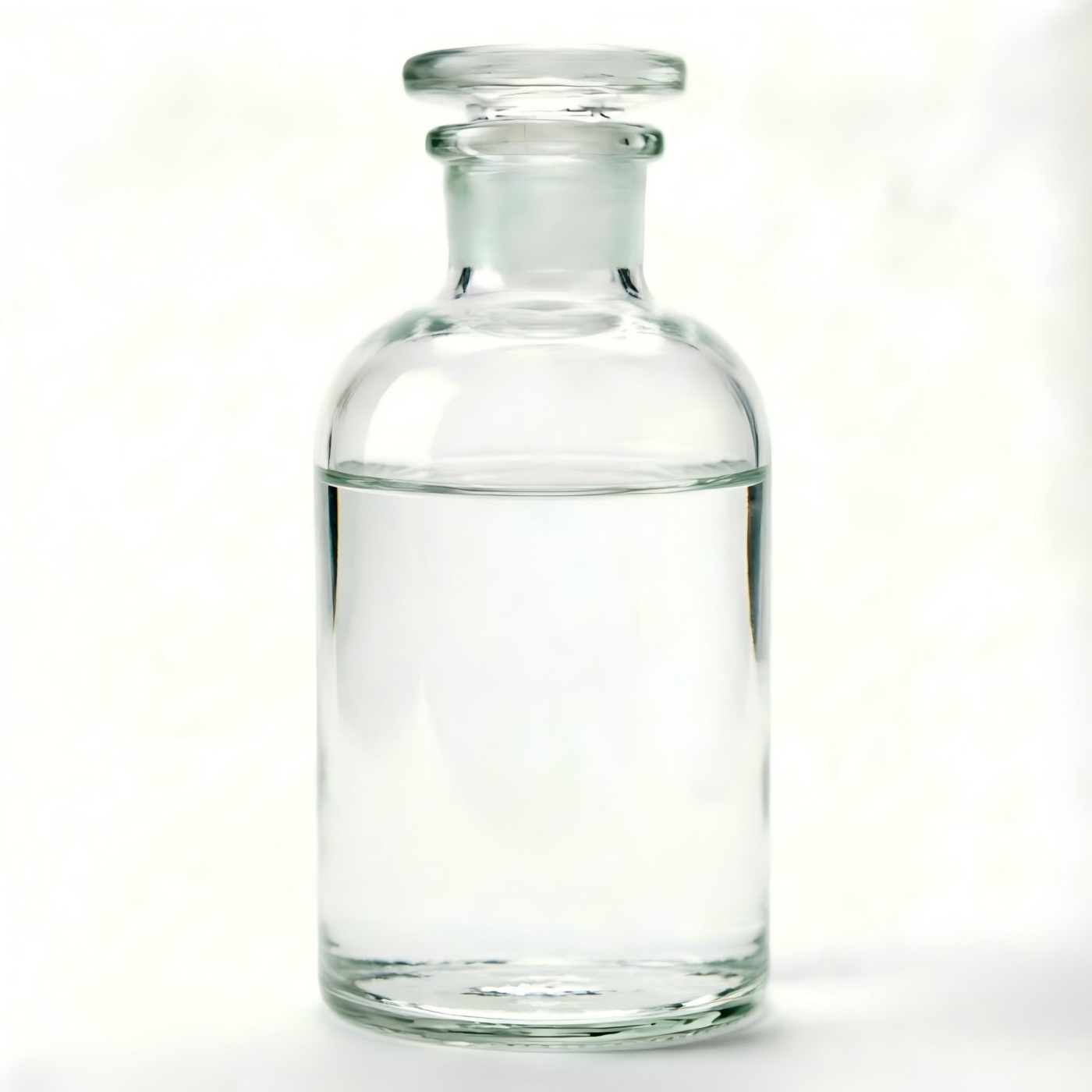
Tributyl Phosphate is presented as a colorless to pale yellow transparent liquid. It demonstrates excellent solubility in conventional organic solvents while remaining completely insoluble in water, providing reliable phase separation characteristics required for solvent extraction applications.
The controlled physical properties of high-purity TBP support consistent performance in laboratory testing, mineral processing development and industrial-scale chemical applications.
Key Physical Characteristics
Appearance: Colorless to pale yellow transparent liquid
Water Solubility: Insoluble in water
Organic Solubility: Excellent solubility in conventional organic solvents
Purity Content: ≥99%
Specifications
FKN PANDA Tributyl Phosphate (TBP) is manufactured according to controlled industrial quality standards to ensure stable performance in mineral extraction, hydrometallurgical separation and industrial chemical applications. The following specifications support consistent batch quality and reliable process integration.
| Parameter | Specification |
|---|---|
| Specific Gravity | 0.974 – 0.980 |
| Refractive Index | 1.395 – 1.397 |
| Moisture Content | ≤0.1% |
| Free Acid (calculated as KOH) | ≤0.5 mg/g |
| Purity Content | ≥99% |
Quality Control for Metallurgical Applications
High purity and controlled moisture content help minimize impurity interference during solvent extraction and mineral analysis procedures. Stable technical indicators support repeatable laboratory testing results and reliable process evaluation for hydrometallurgical applications.
Consistent batch quality also helps mining companies, metallurgical laboratories and chemical distributors maintain stable supply conditions for ongoing production and research activities.
Storage & Handling
Tributyl Phosphate should be stored in sealed industrial containers under appropriate storage conditions to maintain product stability and prevent contamination during transportation and long-term storage.
Packaging Standard
FKN PANDA TBP is supplied in industrial-grade sealed packaging, including lined iron drums or pure plastic drums, with a standard net weight of 200KG per drum. The sealed packaging design helps prevent leakage, volatilization and external contamination during logistics and storage.
Handling Recommendations
Keep containers tightly sealed when not in use.
Prevent contamination from moisture and external impurities.
Follow standard industrial chemical handling procedures.
Maintain suitable storage conditions according to chemical management requirements.
Advantages / Limitations
Advantages of FKN PANDA TBP
High Purity and Stable Performance:With ≥99% purity, TBP reduces impurity interference and supports stable extraction performance in hydrometallurgical and mineral analysis applications.
Reliable Phase Separation:The water-insoluble property and organic solvent compatibility provide efficient organic-aqueous separation for solvent extraction workflows.
Multi-Application Compatibility:TBP integrates extraction, defoaming, solvation and plasticizing functions, allowing use across mining, chemical and industrial material applications.
Cost-Efficient Industrial Supply:Stable product quality and standardized packaging help reduce replacement frequency, process adjustment requirements and operational uncertainty.
Suitable for Laboratory and Industrial Workflows:TBP supports mining laboratory testing, metallurgical evaluation and industrial production processes requiring reliable extraction solvent performance.
Limitations
Tributyl Phosphate performance depends on the specific extraction system, target metal chemistry and process conditions. Appropriate process evaluation and compatibility testing are recommended before large-scale application.
The extraction efficiency of TBP may vary according to aqueous composition, operating parameters and selected separation flowsheet. Application conditions should be optimized according to specific metallurgical requirements.
Summary
FKN PANDA Tributyl Phosphate (TBP) is a high-purity mineral extraction solvent designed for rare earth separation, hydrometallurgical processing, mineral analysis and industrial chemical applications. With ≥99% purity, stable phase separation characteristics and consistent physical properties, TBP provides reliable support for professional metallurgical laboratories, mining enterprises and industrial chemical users.
Through controlled quality standards, stable batch performance and industrial-grade packaging, FKN PANDA TBP helps improve process reliability, testing repeatability and operational consistency in global mineral extraction and chemical manufacturing applications.
TBP Extractant – FAQ
Q1. How is TBP extractant applied in hydrometallurgical solvent extraction processes?
TBP extractant is widely used in hydrometallurgical solvent extraction systems for the selective separation and recovery of valuable metals from complex leach solutions. In mining and metallurgical applications, TBP can be evaluated for processes involving lithium, uranium, rare earth elements, and other metal ions depending on the chemical system. Its application requires careful consideration of aqueous composition, acidity, extractant concentration, phase ratio, and stripping conditions. During process development, laboratory solvent extraction tests are typically performed to determine suitable operating parameters before scale-up to continuous extraction circuits.
Q2. What factors should be considered when selecting TBP extractant for lithium recovery applications?
When selecting TBP extractant for lithium recovery, laboratories and process engineers should evaluate the characteristics of the lithium-bearing feed solution, including lithium concentration, impurity levels, acidity, and the presence of competing ions such as sodium or magnesium. TBP-based extraction systems may require specific modifiers or co-extractants depending on the process route. Selection should be based on laboratory evaluation of extraction behavior, phase separation performance, and stripping efficiency. A systematic approach helps determine whether the TBP system is suitable for brine, spodumene, lepidolite, or other lithium resources.
Q3. How does TBP extractant support separation of uranium and other metals in hydrometallurgical processes?
TBP extractant has established applications in solvent extraction processes where selective metal separation is required under controlled chemical conditions. For uranium recovery, TBP interacts with uranium-containing complexes formed in suitable acidic media, allowing separation from certain impurities. Process performance depends on factors such as acid concentration, aqueous composition, organic phase formulation, and contact conditions. In laboratory and industrial metallurgical workflows, engineers optimize extraction and stripping stages through testing to achieve reliable separation performance while maintaining stable phase behavior.
Q4. How can TBP extractant performance be optimized in solvent extraction circuits?
Optimizing TBP extractant performance requires balancing multiple operating parameters, including organic phase composition, aqueous acidity, phase ratio, mixing time, settling behavior, and temperature conditions. In mining hydrometallurgy, solvent extraction circuits are usually developed through laboratory tests that evaluate metal distribution, selectivity, and phase separation characteristics. Proper optimization helps improve resource recovery efficiency and supports stable operation. The final operating conditions should be determined according to the specific mineral feed composition and metallurgical objectives rather than relying on general parameters.
Q5. Can TBP extractant be used for lithium separation from high magnesium lithium brines?
TBP extractant can be considered for lithium recovery systems involving complex brine compositions, including solutions with high levels of magnesium and other dissolved salts. The effectiveness of TBP-based systems depends on the chemical environment, the presence of suitable synergistic components, and the control of phase behavior during extraction. For high magnesium-lithium ratio brines, laboratory evaluation is important to study selectivity, impurity behavior, and potential issues such as third-phase formation or emulsion generation. Process conditions should be customized according to the characteristics of each brine resource.
Q6. What role does TBP extractant play in rare earth element separation processes?
TBP extractant can be applied in certain rare earth separation processes where selective extraction of metal complexes is required. Rare earth processing typically involves complex feed solutions containing multiple elements with similar chemical properties, making separation conditions critical. The performance of TBP depends on factors such as acid system, extractant concentration, phase ratio, and the interaction between target metals and impurities. Laboratory solvent extraction studies are commonly used to evaluate selectivity and develop suitable extraction and stripping procedures for specific rare earth resources.
Q7. How should TBP extractant systems be evaluated before industrial application?
Before industrial implementation, TBP extractant systems should be evaluated through systematic laboratory testing that reflects the actual metallurgical process conditions. Important evaluation factors include extraction efficiency, selectivity, phase separation behavior, stripping performance, chemical stability, and compatibility with the process solution. These tests help engineers understand how TBP performs within the complete hydrometallurgical workflow, from leaching solution treatment to final metal recovery. Pilot-scale validation may be considered when process requirements and production conditions require further verification.
Q8. What operating factors influence the stability of TBP extractant during continuous operation?
The stability of TBP extractant in continuous solvent extraction operation is influenced by factors such as solution chemistry, acid concentration, impurities, temperature, mixing intensity, and the selection of diluents or modifiers. Long-term operation requires proper monitoring of organic phase condition, phase separation behavior, and possible degradation products. In mining and metallurgical plants, maintaining stable extraction chemistry helps reduce operational fluctuations and supports consistent metal recovery. Regular process evaluation and appropriate operating control are important for reliable solvent extraction performance.
Q9. How can TBP extractant help improve metallurgical process development for mineral resources?
TBP extractant provides a useful option for metallurgical research and process development when selective metal recovery from complex solutions is required. During mineral processing studies, engineers can investigate TBP-based extraction systems to understand metal behavior after leaching, evaluate separation possibilities, and optimize recovery routes. Laboratory testing allows adjustment of chemical conditions before applying the process to larger-scale operations. This approach supports technical decision-making for projects involving lithium, uranium, rare earths, and other strategic mineral resources.
Q10. What technical support is required when implementing TBP extractant in a mining or metallurgical project?
Successful implementation of TBP extractant requires technical evaluation of the mineral resource, leaching conditions, solution chemistry, and targeted recovery objectives. Engineers should consider laboratory solvent extraction testing, process parameter optimization, and compatibility with existing hydrometallurgical equipment. Important factors include extraction selectivity, stripping requirements, organic phase management, and continuous operation conditions. A structured technical approach helps determine the suitability of TBP extractant for specific applications and supports reliable integration into mineral processing workflows.