


Ether Diamine Collectors for Iron Ore Reverse Flotation and Silicate Gangue Removal
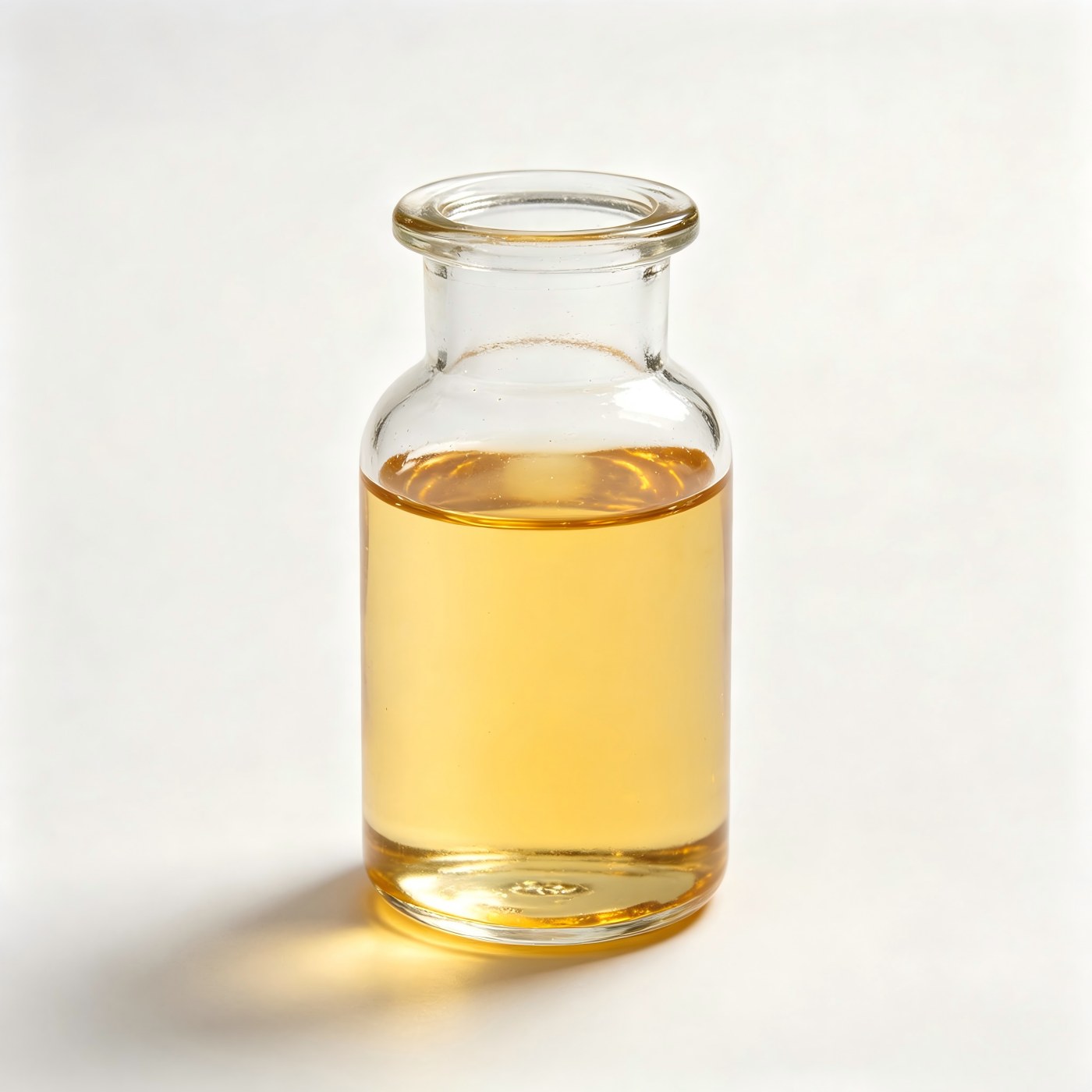
Ether diamines are advanced cationic flotation collectors designed for selective separation of silicate gangue minerals from valuable oxide minerals. With two amine functional groups within the molecular structure, ether diamine collectors provide stronger electrostatic interaction and hydrogen bonding with negatively charged mineral surfaces compared with conventional monoamine collectors.
These collectors are widely applied in reverse flotation circuits for iron ore beneficiation and show growing application potential in lithium, titanium and other oxide mineral processing operations where efficient silicate removal is required.
Application Scope
Iron Ore (Magnetite and Hematite) Reverse Flotation
Iron ore reverse cationic flotation is the primary application area for ether diamine collectors. During this process, quartz and silica gangue minerals are selectively floated while iron oxide minerals are depressed, improving concentrate grade and metallurgical recovery.
Studies on itabirite iron ore demonstrate that 100% ether diamine collector systems provide excellent selectivity and metallurgical recovery with minimal loss of specular hematite to tailings.
For ultrafine magnetite particles (-20 μm), ether diamine collectors achieved up to 95.9% quartz recovery, effectively removing silica while promoting magnetite particle aggregation and depression.
Compared with ether monoamines, ether diamines show stronger performance for medium and coarse quartz flotation due to their higher charge density and stronger surface adsorption capability. Industrial trials using isotridecyl ether diamine at 30 g/t achieved 94.23% iron recovery with 18.62% silica removal from magnetite ore.
Commercial ether diamine formulations such as etherdiamine acetate collectors are designed for quartz flotation from magnetite iron ores and maintain effective performance under challenging conditions including saline water environments.
Lithium Ore Flotation (Lepidolite)
Modified ether diamines demonstrate significant potential in lithium mineral beneficiation, especially for complex fine-grained lithium mica ores.
For high-iron lepidolite ore, flotation using a modified ether diamine collector combined with sodium hexametaphosphate, tartaric acid, starch and kerosene achieved a lithium concentrate grade of 3.62% Li₂O with 78.53% recovery from a feed grade of 0.64% Li₂O.
These results demonstrate the capability of ether diamine collectors in improving separation efficiency for difficult lithium ore systems containing silicate gangue minerals.
Titanium Ore Flotation (Ilmenite)
Ether diamine cationic collectors are also applicable in ilmenite flotation circuits where selective removal of silicate minerals contributes to titanium concentrate upgrading.
A diamine-type collector achieved a titanium concentrate grade of 47.43% TiO₂ with 69.30% recovery from a feed grade of 20.38% TiO₂ under closed-circuit flotation conditions using 180 g/t collector dosage at low temperatures of 5–10°C.
Additional Mineral Processing Applications
Ether diamines can be combined with other cationic collectors for flotation systems involving phosphate, potash, copper, uranium, tungsten, manganese, lead, zinc, silver, graphite, nickel and bauxite ores where silicate gangue removal is required.
They are also applicable for flotation separation of aluminum silicate minerals including feldspar and mica.
Mechanism
Ether diamine collectors interact with silicate mineral surfaces mainly through electrostatic attraction between protonated amine groups (–NH₃⁺) and negatively charged silanol groups (≡SiO⁻) on quartz and other silicate minerals.
The dual amine structure provides two positively charged functional sites at typical flotation conditions, especially around pH 9–10, resulting in stronger adsorption compared with monoamine collectors.
Hydrogen bonding between amine groups and surface oxygen atoms further enhances collector attachment. FTIR studies confirm stronger adsorption of ether diamines on quartz surfaces compared with magnetite, supporting selective silicate flotation.
The ether linkage improves molecular solubility and dispersion, allowing more uniform surface coverage. This structure provides particular advantages for medium and coarse quartz particles that are difficult to float with conventional collectors.
Physicochemical Properties
Ether diamines are cationic flotation collectors containing two amine groups connected through an ether-based molecular structure. Their molecular design provides enhanced charge density, water dispersibility and selective interaction with silicate minerals.
Collector type: Cationic ether diamine flotation reagent
General structure: R–O–R′–NH–R″–NH₂
Typical alkyl range: C8–C18
Supply form: Liquid, commonly acetate salt
Solubility: Dispersible in water
Specifications
| Parameter | Detail |
|---|---|
| CAS Number | Varies by specific compound |
| General Structure | R–O–R′–NH–R″–NH₂ (R=C8–C18 alkyl) |
| Appearance | Liquid, often supplied as acetate salt |
| Solubility | Dispersible in water; 5% stock solution recommended |
| Packaging | 200 kg drums or 1000 kg IBC tanks |
Storage & Handling
Store ether diamine collectors in a cool, dry and well-ventilated area away from strong oxidizers and acids.
The product is commonly supplied as an acetate salt to improve water dispersibility. For stock solution preparation, mix 5 parts collector with 95 parts water at temperatures above 10°C under sufficient agitation until a homogeneous solution is obtained.
Appropriate personal protective equipment including chemical-resistant gloves, protective clothing and safety goggles should be used during handling. Shelf life is approximately 24 months under recommended storage conditions.
Advantages / Limitations
Advantages
Superior flotation performance for medium and coarse quartz compared with monoamine collectors.
High quartz recovery capability, reaching 95.9% in ultrafine magnetite flotation tests.
Excellent selectivity for silicate removal from iron, lithium and titanium ores.
Strong adsorption ability due to dual amine functionality.
Suitable for complex ore systems and saline water flotation environments.
Demonstrated industrial application in oxide mineral beneficiation.
Limitations
Higher cost compared with conventional amine collectors.
Less effective than ether monoamines for some fine quartz flotation conditions.
Requires pH optimization, typically around pH 9–10 for iron ore flotation.
Specific molecular variants require selection according to ore mineralogy.
Summary
Ether diamine collectors are high-performance cationic flotation reagents primarily used for iron ore reverse flotation and silicate gangue removal. Their dual amine structure provides stronger adsorption on quartz surfaces compared with monoamine collectors, supporting improved selectivity and recovery.
With proven performance in iron ore beneficiation, lithium ore flotation and titanium mineral processing, ether diamines provide a reliable solution for operations requiring efficient quartz removal, concentrate upgrading and stable reverse flotation performance.
Ether Diamine – FAQ
Q1. What types of oxide minerals and salt minerals are suitable for Ether Diamine flotation?
Ether Diamine is mainly evaluated as a collector for oxide minerals, salt minerals, and non-sulfide mineral flotation systems, including quartz, feldspar, mica, fluorite, boron minerals, lithium-bearing minerals, and other silicate-related ores. Its flotation performance depends on mineral surface properties, pulp chemistry, particle size distribution, and the selected reagent scheme. In industrial mineral processing applications, Ether Diamine is usually tested through laboratory flotation experiments to determine its selectivity, dosage requirements, and compatibility with depressants, modifiers, and other collectors.
Q2. How does Ether Diamine perform in fluorite flotation and fluorite gangue separation?
Ether Diamine can be applied in fluorite flotation circuits where selective separation between fluorite and associated gangue minerals such as quartz, calcite, and silicate minerals is required. Its adsorption characteristics on mineral surfaces may help improve flotation selectivity under suitable pH and reagent conditions. The actual performance depends on ore mineralogy, calcium and magnesium ion content, depressant selection, and flotation process design. Laboratory testing with representative ore samples is recommended to optimize dosage and evaluate concentrate grade and recovery balance.
Q3. Can Ether Diamine be used for lithium mica flotation and lithium-bearing mineral beneficiation?
Ether Diamine can be evaluated for lithium mineral flotation applications, particularly in systems involving lithium mica and associated silicate gangue minerals. Lithium ore beneficiation often requires effective separation between valuable lithium-bearing minerals and quartz, feldspar, mica, or other interfering minerals. The performance of Ether Diamine depends on mineral surface characteristics, liberation size, pulp pH, and reagent interactions. Laboratory flotation tests are recommended to determine whether it can provide suitable selectivity and recovery under specific lithium ore processing conditions.
Q4. How effective is Ether Diamine for quartz, feldspar, and mica separation?
Ether Diamine is commonly considered for reverse flotation applications involving silicate mineral separation, including quartz, feldspar, and mica removal from valuable mineral concentrates. Its collector properties can support selective adsorption on certain silicate mineral surfaces under controlled flotation conditions. The separation efficiency depends on mineral composition, particle size, surface activation state, pulp chemistry, and the use of depressants. For industrial applications, pH optimization, reagent sequence, and flotation kinetics should be evaluated through laboratory and pilot-scale testing.
Q5. Is Ether Diamine suitable for high-calcium and high-magnesium gangue mineral systems?
High concentrations of calcium and magnesium ions in ore or process water may influence flotation selectivity by affecting mineral surface reactions and reagent adsorption. Ether Diamine can be evaluated in high-hardness mineral systems to determine its adaptability and required dosage conditions. In practical operations, water chemistry management, suitable depressant selection, and pulp conditioning are important for maintaining stable flotation performance. Testing under representative ore and process water conditions is recommended before large-scale application.
Q6. How does Ether Diamine perform in high-slime and fine-particle mineral flotation?
Ether Diamine can be considered for flotation systems containing fine particles or high slime content, where reagent consumption and selectivity control are important challenges. Excessive slimes may cover mineral surfaces, increase collector consumption, and affect bubble attachment behavior. Proper control of desliming, grinding fineness, pulp density, conditioning time, and reagent dosage is important for maintaining flotation efficiency. Laboratory flotation evaluation can help determine suitable operating parameters and confirm whether Ether Diamine provides stable separation performance.
Q7. What pH conditions are commonly used for Ether Diamine flotation applications?
The flotation performance of Ether Diamine is closely related to pulp pH because mineral surface charge and collector adsorption behavior vary under different chemical environments. In reverse flotation processes, such as quartz removal from silicate mineral systems, pH adjustment is often combined with depressants and modifiers to improve selectivity. The optimal pH range depends on the target mineral, gangue composition, water chemistry, and flotation objectives. Laboratory testing under actual ore conditions is recommended to determine suitable operating parameters.
Q8. Can Ether Diamine be combined with fatty acid collectors or other amine reagents?
Ether Diamine can be evaluated in combination with fatty acid collectors or other amine-based reagents when a mixed collector system is required to improve flotation performance. Different collectors may provide complementary adsorption characteristics on various mineral surfaces, helping optimize recovery and selectivity. The interaction between Ether Diamine and other reagents depends on mineral type, pH conditions, reagent addition sequence, and process objectives. Laboratory testing is recommended to determine suitable combinations and avoid potential interference between reagents.
Q9. Is Ether Diamine suitable for overseas mining projects with different water quality conditions?
Ether Diamine can be evaluated for overseas mineral processing projects where differences in process water quality, hardness, salinity, and mineral composition may affect flotation performance. Variations in calcium, magnesium, and dissolved mineral content can influence reagent efficiency and selectivity. To achieve stable operation, flotation testing should be conducted using local ore samples and representative process water whenever possible. Adjustment of dosage, pH conditions, and supporting reagents may be required according to specific mining site conditions.
Q10. How should Ether Diamine be stored and handled for mineral flotation applications?
Ether Diamine should be stored under appropriate chemical storage conditions, including protection from moisture, contamination, and unsuitable temperature exposure. Proper storage management helps maintain product consistency during transportation and long-term use in mineral processing operations. Mining operators should refer to the technical documentation and safety data sheet for recommended storage requirements, handling procedures, and compatibility information. Accurate reagent preparation and controlled dosing are important for maintaining stable flotation performance and consistent metallurgical results.