


Xanthogen Formate (Minerec) – Advanced Chelating Collector for Sulfide Mineral Flotation
Application Scope
Xanthogen Formates (Minerec, ROC(S)SC(=O)OR′) are a class of chelating collectors developed for sulfide mineral flotation applications. With more than 90 years of industrial application history, these collectors provide strong mineral interaction and a key operational advantage in acidic flotation circuits where conventional xanthates may experience decomposition.
The unique sulfur-carbonyl oxygen chelation structure enables selective adsorption on sulfide mineral surfaces, supporting improved recovery performance and flotation stability across different ore conditions.
Copper Sulfide Ores – Primary Application
Xanthogen Formates demonstrate strong collecting performance for copper sulfide minerals, including chalcopyrite, chalcocite, covellite and bornite. Research indicates effective flotation performance across a broad pH range of 5.0–10.5.
The general floatability sequence of copper minerals follows chalcopyrite ≈ chalcocite > covellite ≫ bornite ≫ pyrite, demonstrating strong selectivity against pyrite gangue.
Xanthogen Formate collectors have been applied for selective copper recovery from high-sulfur ores. Ethyl xanthogen ethyl formate (Minerec A) achieved industrial application at the El Teniente copper concentrator in Chile and other mining operations in North America and Asia.
Zinc Sulfide Ores (Non-Activated Sphalerite)
Xanthogen Formates provide an important alternative approach for sphalerite flotation, particularly for non-activated zinc sulfide ores.
Unlike conventional xanthate flotation systems that require copper sulfate activation, xanthogen formate collectors can recover non-activated sphalerite with reported recovery performance up to 99% across a wide pH range.
The collector adsorbs on sphalerite surfaces through chemisorption, where sulfur from the thiocarbonyl group and oxygen from the carbonyl group interact with zinc surface centers. This mechanism supports direct zinc sulfide flotation without conventional copper activation.
Copper-Gold Polymetallic Ores
Xanthogen Formates are suitable for flotation circuits where copper and precious metals are recovered together. Their strong affinity for copper sulfide minerals supports the recovery of associated gold and silver values reporting into copper concentrates.
Product mixtures containing xanthogen formate collectors have demonstrated effectiveness in partially oxidized sulfide ores, including high-clay-content ores that may create challenges for conventional flotation reagents.
Copper-Molybdenum Ores
Xanthogen Formate collectors can be applied in porphyry Cu-Mo flotation circuits where selective copper sulfide recovery is required.
Additional Application – Lead, Zinc and Silver Sulfides
Xanthogen Formate collectors also demonstrate application potential in other sulfide mineral flotation systems, including lead, zinc and silver sulfide ores.
Mechanism
Xanthogen Formates adsorb onto sulfide mineral surfaces primarily through a chelation-based chemisorption mechanism. Both the sulfur atom from the thiocarbonyl group (C=S) and the oxygen atom from the carbonyl group (C=O) participate in bonding with surface metal cations.
This dual interaction provides stronger and more selective attachment compared with the single sulfur-metal bonding mechanism commonly associated with traditional xanthate collectors.
DFT studies indicate that reactive molecular orbitals involving C=S and C=O groups can participate in electronic interactions with copper ions on chalcopyrite surfaces, supporting strong collector adsorption.
The R and R′ substituent groups influence electron density distribution and flotation behavior, allowing formulation adjustment according to specific ore mineralogy and separation requirements.
Physicochemical Properties
| Parameter | Detail |
|---|---|
| CAS Number | Varies by specific compound (for example, ethyl xanthogen ethyl formate: not established) |
| Synonyms | Minerec; Xanthogen alkyl formate; XF-type collectors |
| General Formula | ROC(S)SC(=O)OR′ (R, R′ = alkyl groups) |
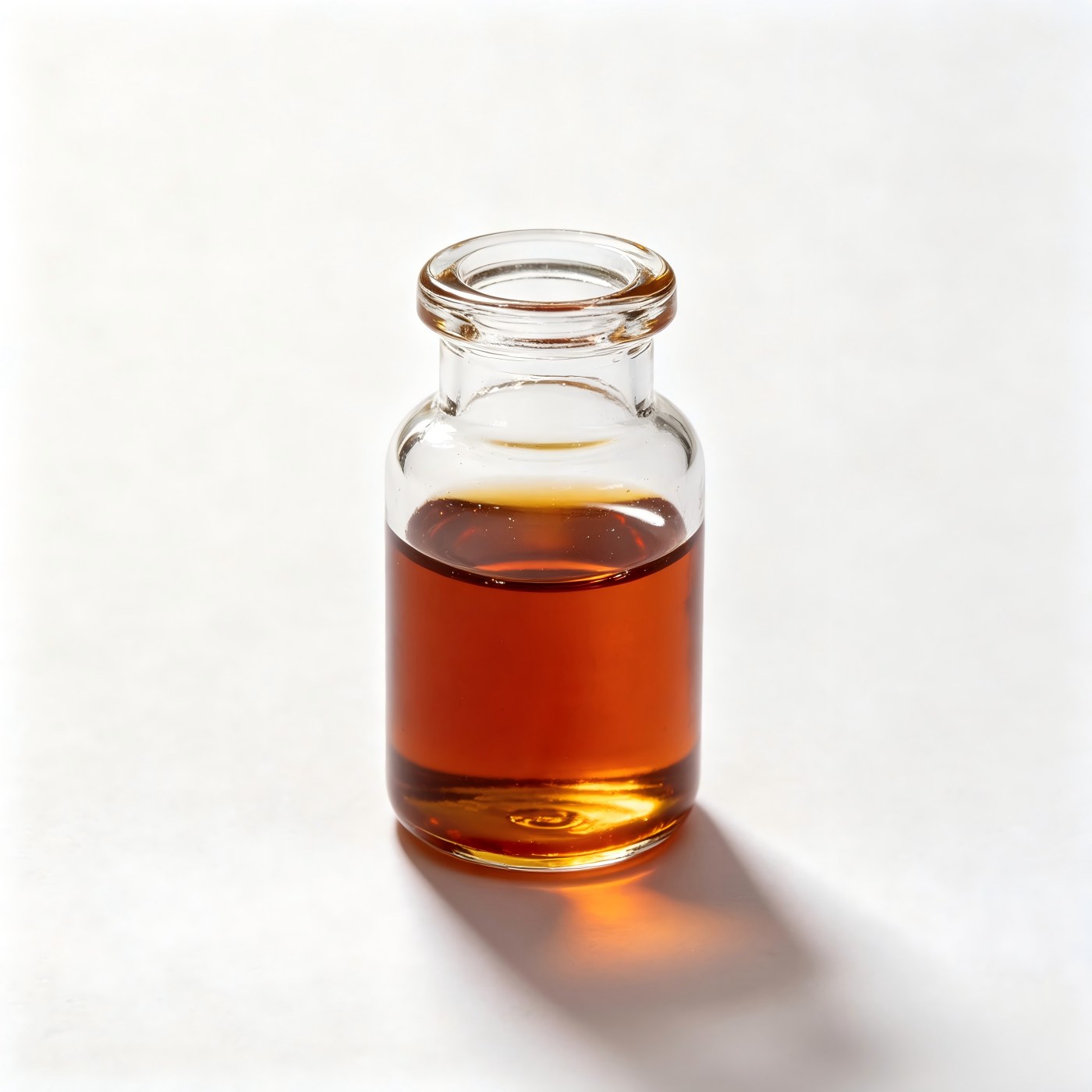
| Appearance | Liquid (typically) |
| Solubility | Slightly soluble in water; soluble in organic solvents |
| Packaging | 200 kg drums or 1000 kg IBC tanks |
Specifications
Xanthogen Formate collectors are supplied as liquid flotation reagents suitable for integration into sulfide mineral processing circuits. Selection of specific formulations should consider ore mineralogy, flotation conditions and desired selectivity between valuable minerals and gangue.
Storage & Handling
Store Xanthogen Formates in a cool, dry and well-ventilated area away from strong oxidizers and acids. Containers should remain tightly sealed to prevent contamination and maintain product stability.
-
Use suitable personal protective equipment during handling.
-
Avoid exposure to incompatible chemicals.
-
Protect containers from moisture and direct sunlight.
-
Maintain recommended storage conditions for product quality.
-
Expected shelf life is approximately 24 months under proper storage conditions.
Advantages / Limitations
Advantages
-
Stable performance in acidic flotation circuits compared with conventional xanthates.
-
Strong copper sulfide recovery with effective pyrite rejection.
-
Suitable for non-activated sphalerite flotation without copper sulfate activation.
-
Chelation mechanism provides selective mineral surface adsorption.
-
Applicable to copper, zinc, lead, silver and molybdenum sulfide flotation systems.
-
Demonstrated industrial application history in copper flotation operations.
Limitations
-
Higher reagent cost compared with conventional xanthate collectors.
-
Specific formulations require selection according to ore characteristics.
-
Commercial availability is less widespread than traditional xanthates.
-
Further optimization may be required for individual flotation circuits.
Summary
Xanthogen Formates (Minerec) are advanced chelating collectors for sulfide mineral flotation, with primary applications in copper sulfide recovery, non-activated sphalerite flotation and copper-gold polymetallic processing.
Their sulfur-oxygen chelation mechanism provides strong mineral adsorption and improved selectivity compared with conventional xanthates. The ability to operate effectively in acidic circuits offers additional process advantages by reducing the need for pH adjustment during flotation.
Methyl Xanthate Formate – FAQ
Q1. What types of sulfide ores are suitable for Methyl Xanthate Formate flotation?
Methyl Xanthate Formate can be evaluated as a collector for various sulfide mineral flotation applications, including copper sulfide, nickel-cobalt sulfide, lead-zinc sulfide, and precious metal-associated sulfide ores. Its suitability depends on mineral composition, liberation characteristics, oxidation degree, and the existing flotation reagent system. In practical mineral processing operations, laboratory flotation tests are usually conducted to determine its collection selectivity, dosage requirements, and compatibility with other collectors, depressants, and modifiers before plant-scale application.
Q2. How does Methyl Xanthate Formate perform in copper-molybdenum sulfide flotation?
Methyl Xanthate Formate may be applied in copper-molybdenum sulfide flotation circuits where selective recovery of copper-bearing sulfide minerals is required. Its collector properties can help optimize the interaction between mineral surfaces and flotation reagents, especially in circuits requiring a balance between copper recovery and concentrate quality. The actual performance is influenced by chalcopyrite content, molybdenite association, pyrite levels, grinding fineness, pulp pH, and the use of selective depressants. Process evaluation through laboratory testing is recommended for specific ore conditions.
Q3. Can Methyl Xanthate Formate be used as a primary collector for nickel and cobalt sulfide ores?
Methyl Xanthate Formate can be considered as part of a collector system for nickel and cobalt sulfide flotation, particularly where selective recovery of valuable sulfide minerals is required. Nickel-cobalt sulfide ores often contain complex mineral associations, including pentlandite, pyrrhotite, and other sulfide minerals, which require careful reagent selection. Whether it functions as a primary or supplementary collector depends on ore mineralogy, flotation circuit design, and target concentrate specifications. Laboratory and pilot testing are recommended before commercial application.
Q4. Is Methyl Xanthate Formate suitable for gold-bearing sulfide ore flotation?
Methyl Xanthate Formate may support gold recovery from sulfide ores where gold is associated with sulfide minerals such as pyrite, copper sulfides, or other sulfide carriers. By improving the flotation recovery of gold-bearing sulfide minerals, it can contribute to the concentration of gold into flotation concentrates under suitable process conditions. However, its effectiveness depends on the occurrence mode of gold, mineral liberation, oxidation conditions, and the overall flotation flowsheet. Mineralogical analysis and flotation testing are essential for evaluating its practical performance.
Q5. How does Methyl Xanthate Formate perform in platinum group metal (PGM) associated sulfide flotation?
Methyl Xanthate Formate can be evaluated for platinum group metal flotation circuits where valuable PGM minerals are associated with sulfide minerals. Since PGM ores commonly involve complex associations with nickel, copper, and iron sulfides, collector selection requires consideration of mineral surface properties and concentrate quality requirements. Methyl Xanthate Formate may be incorporated into a customized reagent scheme together with frothers, modifiers, and depressants. Pilot testing under actual ore conditions is recommended to optimize flotation recovery and selectivity.
Q6. Is Methyl Xanthate Formate suitable for fine-grained and difficult-to-float sulfide ores?
Methyl Xanthate Formate can be evaluated in fine-grained sulfide ore flotation where mineral liberation and selective recovery are challenging. Fine particle flotation is strongly affected by grinding size, surface oxidation, slime content, and reagent adsorption behavior. Proper control of particle size distribution, pulp conditioning time, reagent dosage, and flotation kinetics is important for achieving stable results. For difficult-to-float ores, laboratory flotation testing can help determine whether Methyl Xanthate Formate provides advantages within the overall reagent system.
Q7. Can Methyl Xanthate Formate be combined with xanthate collectors in flotation processes?
Methyl Xanthate Formate can be used in combination with other xanthate-based collectors or complementary flotation reagents when process optimization requires improved selectivity or recovery stability. Mixed collector systems are commonly applied in complex sulfide ores to adjust mineral collection strength and improve metallurgical performance. The optimal combination depends on target minerals, flotation stages, pulp chemistry, and concentrate requirements. Reagent compatibility and dosage ratios should be confirmed through laboratory testing before implementation in industrial flotation circuits.
Q8. How do pH conditions affect the flotation performance of Methyl Xanthate Formate?
The flotation performance of Methyl Xanthate Formate is influenced by pulp chemistry, including pH conditions, mineral surface characteristics, and the presence of modifying reagents. Different sulfide minerals may show different responses under acidic, neutral, or alkaline environments. In industrial flotation plants, pH adjustment is typically combined with regulators such as lime, zinc sulfate, or sulfite-based depressants to improve separation efficiency. The suitable operating range should be determined through flotation tests based on the specific ore characteristics and processing objectives.
Q9. What factors should be considered when using Methyl Xanthate Formate in high-sulfur or high-arsenic ores?
When applying Methyl Xanthate Formate in high-sulfur or high-arsenic ore flotation, careful consideration should be given to mineral selectivity, concentrate quality, and impurity control. Excessive pyrite or arsenic-bearing sulfide minerals may affect flotation separation and downstream processing requirements. Optimization may involve adjusting pH conditions, controlling grinding size, applying selective depressants, and improving flotation circuit operation. Detailed mineralogical evaluation and laboratory testing are recommended to establish suitable reagent conditions for complex sulfide ore processing.
Q10. How should Methyl Xanthate Formate be stored and handled for mining flotation applications?
Methyl Xanthate Formate should be stored under appropriate chemical storage conditions, including a dry environment protected from moisture and contamination. Proper storage and handling practices help maintain reagent stability and ensure consistent flotation performance during mining operations. Before use, operators should refer to the product technical documentation and safety data sheet for information regarding storage requirements, preparation procedures, and handling precautions. Controlled reagent preparation and accurate dosing management are important for maintaining stable flotation results in industrial applications.