


Citric Acid: An Eco-Friendly Leaching Agent for Strategic Metal Extraction
Application Scope
Citric acid (C₆H₈O₇) is a weak organic acid widely applied in hydrometallurgical processing due to its strong chelating ability with transition metal cations. As an eco-friendly organic leaching agent, citric acid provides an alternative approach to inorganic acids for selective extraction of valuable metals from secondary resources and mineral materials.
Its applications include lithium-ion battery recycling, black shale metal extraction, tungsten recovery from low-grade ores, and secondary rare earth element leaching.
Lithium, Nickel, Cobalt and Manganese Recovery from Lithium-Ion Batteries
Citric acid has demonstrated significant application value in the recovery of lithium, nickel, cobalt and manganese from spent lithium-ion battery materials.
In acidic leaching systems, citric acid promotes dissolution of LiCoO₂ and other cathode materials through proton-assisted dissolution and metal complexation. Under optimized conditions, recovery rates exceeding 95% have been achieved for target metals.
When combined with reducing agents such as hydrogen peroxide, citric acid improves the dissolution of high-valence metal oxides including Co³⁺, Mn⁴⁺ and Ni³⁺. A typical process involves roasting to convert metal compounds into lower-valence oxides, followed by citric acid leaching.
Using 3 mol/L citric acid with approximately 3 hours of leaching under controlled pH conditions, reported lithium, nickel, cobalt and manganese recoveries reached 95–99%.
Copper, Manganese, Molybdenum and Zinc Recovery from Black Shale
Citric acid demonstrates application potential for extracting multiple valuable metals from Kupferschiefer-type black shale deposits.
Research indicates that organic acid systems containing citric acid can effectively promote dissolution of copper, manganese, molybdenum, silver, zinc, gallium, nickel, cobalt, gold and platinum from complex geological materials.
Under neutral to alkaline conditions, organic acid leaching systems have shown advantages in metal solubilization by combining mild acidity with metal ion complexation effects.
Tungsten Recovery from Low-Grade Ores
In tungsten extraction from scheelite-bearing mine tailings, citric acid acts as a selective leaching agent for removing impurity metals through chelation.
A dual-organic-acid process using citric acid followed by oxalic acid achieved tungsten recovery of 78.4%, while limiting impurity dissolution with reported co-dissolution rates of 6.8% Fe, 0.5% Ca, 10.8% Mg and 8.9% Mn.
The selective complexation characteristics of citric acid support improved tungsten purification by controlling unwanted metal dissolution during leaching.
Rare Earth Element Leaching from Ion-Adsorption Clays
Citric acid-derived citrate systems have also demonstrated application potential in rare earth element recovery from ion-adsorption clays.
Sodium citrate concentrations of ≥4% have been reported to improve rare earth leaching efficiency under low liquid-solid ratios of 0.3–0.5.
Mechanism
Citric acid is a tribasic organic acid capable of releasing three hydrogen ions (H⁺) per molecule. Its metal extraction mechanism mainly involves proton-promoted dissolution and chelation.
During proton-assisted dissolution, hydrogen ions attack metal oxide or mineral surfaces, promoting the release of metal ions into solution.
The carboxylate groups in citric acid form stable complexes with transition metal ions, shifting dissolution equilibrium and improving metal solubilization efficiency.
For lithium-ion battery materials, high-valence metals including Co³⁺ and Mn⁴⁺ are typically reduced to lower-valence states through roasting or reducing agents before citric acid leaching to improve extraction performance.
Physicochemical Properties
| Parameter | Specification |
|---|---|
| CAS Number | 77-92-9 |
| Molecular Formula | C₆H₈O₇ |
| Molecular Weight | 192.12 g/mol |
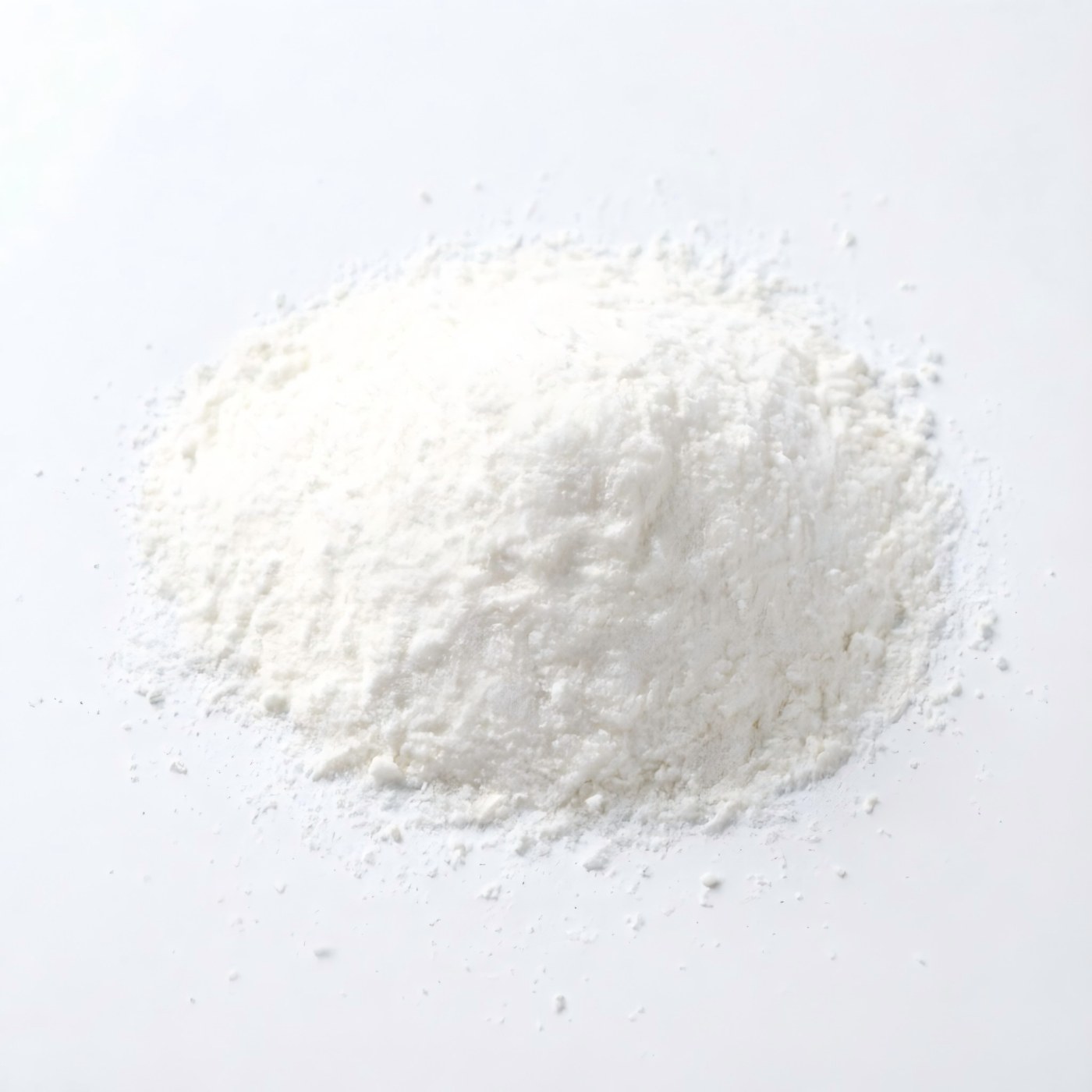
| Appearance | White crystalline powder |
| Assay (Technical Grade) | ≥99.5% |
| Melting Point | 153–159°C |
| Typical Leach Concentration | 0.5–3.0 mol/L |
| Optimal pH | 1.5–4.0 (Acidic Leaching) or Neutral–Alkaline Conditions |
Specifications
Technical-grade citric acid requires consistent purity and chemical stability to support laboratory evaluation, pilot testing and hydrometallurgical applications.
Typical mineral processing applications use citric acid concentrations ranging from 0.5 to 3.0 mol/L, with operating conditions adjusted according to ore composition, target metal and downstream recovery requirements.
Storage & Handling
Store citric acid in tightly sealed containers in a cool, dry and well-ventilated area. Protect the material from moisture exposure during storage and transportation.
Citric acid is non-toxic, biodegradable and non-corrosive. As a widely used organic acid, it does not require specialized hazardous chemical handling procedures under normal storage conditions.
Operators should use standard protective equipment including chemical-resistant gloves, safety goggles and dust masks during handling.
In case of spillage, collect the material and dispose of it according to applicable local regulations.
Advantages / Limitations
Advantages
Non-toxic and biodegradable organic leaching reagent.
Strong chelating ability for transition metal extraction.
Supports selective dissolution of target metals while limiting impurity release.
Mild operating conditions with reduced equipment corrosion compared with stronger inorganic acids.
Suitable for lithium-ion battery recycling and strategic metal recovery applications.
Limitations
Leaching kinetics are generally slower than inorganic acid systems.
Higher reagent consumption may be required depending on metal loading.
Reducing agents or roasting pretreatment may be required for high-valence metal oxides.
Limited effectiveness for massive sulfide ores without additional pretreatment.
Summary
Citric acid (CAS 77-92-9) is an eco-friendly organic leaching agent for strategic metal extraction, with applications including lithium-ion battery recycling, black shale metal recovery and tungsten extraction from low-grade ores.
Through proton-promoted dissolution and metal chelation mechanisms, citric acid improves selective metal solubilization while providing a biodegradable alternative to conventional inorganic acid leaching systems.
For mining and recycling operations prioritizing environmental performance and selective recovery, citric acid offers a sustainable hydrometallurgical reagent option with demonstrated application in lithium, nickel, cobalt and other strategic metal processes.
Citric Acid – FAQ
Q1. How does citric acid function as a ligand enhancer in mineral leaching processes?
Citric Acid can act as an organic complexing agent in hydrometallurgical applications by interacting with dissolved metal ions and influencing their chemical stability in solution. In mineral leaching systems, citric acid may improve metal dissolution behavior by modifying metal-ligand equilibria and reducing surface passivation under suitable conditions. Its effectiveness depends on ore mineralogy, leaching chemistry, pH, temperature, and the presence of competing ions. Laboratory bottle-roll tests or batch leaching experiments are commonly recommended to evaluate the appropriate application conditions before industrial implementation.
Q2. How is the effect of citric acid evaluated for improving copper recovery during copper ore leaching?
The performance of Citric Acid in copper leaching is typically evaluated through comparative laboratory tests measuring copper extraction rate, dissolution kinetics, reagent consumption, and impurity behavior. Important parameters include acid concentration, citric acid dosage, pH control, leaching time, temperature, and ore particle size. For oxide or secondary copper minerals, citric acid may influence metal complexation and solution chemistry, but the actual improvement depends strongly on mineral composition. Metallurgical testing should be conducted to determine whether citric acid provides measurable benefits within the specific copper recovery process.
Q3. What is the mechanism of citric acid enhancement in high-sulfur gold ore leaching?
In high-sulfur gold ores, sulfur-bearing minerals such as pyrite and arsenopyrite can create challenges during gold leaching due to mineral encapsulation and surface passivation. Citric Acid may contribute by modifying solution chemistry and interacting with dissolved metal species, which can support improved leaching conditions in certain systems. However, citric acid is not a direct oxidizing agent and its role should be evaluated together with oxidation conditions, pretreatment methods, and the selected leaching system. Laboratory testing is necessary to determine its influence on gold liberation and overall recovery performance.
Q4. How does citric acid concentration affect gold leaching performance?
The concentration of Citric Acid can influence leaching performance by affecting complexation reactions, solution stability, and interactions between dissolved metal ions and mineral surfaces. Excessive dosage does not always result in improved extraction and may increase reagent consumption or affect downstream processing. Optimization normally involves testing different concentrations under controlled conditions while monitoring gold dissolution rate, recovery percentage, pH variation, and impurity levels. For commercial applications, the suitable concentration range should be determined according to ore characteristics, existing leaching reagents, and plant operating conditions.
Q5. What are the best practices for using citric acid as a ligand enhancer in nickel-cobalt hydrometallurgical processes?
In nickel and cobalt hydrometallurgy, Citric Acid may be investigated as a complexing additive to influence metal ion behavior during leaching or solution purification processes. Application performance depends on factors such as ore mineralogy, acid environment, temperature, residence time, and competing dissolved elements such as magnesium, calcium, and iron. For laterite or complex nickel-cobalt ores, laboratory evaluation should focus on nickel and cobalt extraction, impurity dissolution, and downstream separation compatibility. Process conditions should be optimized based on metallurgical data rather than relying on reagent addition alone.
Q6. How does citric acid affect arsenic complexation during leaching of arsenic-bearing gold ores?
For arsenic-bearing gold ores, Citric Acid may influence solution chemistry through interactions with certain dissolved metal species, but its effect on arsenic behavior depends on ore composition and oxidation conditions. The distribution of arsenic between dissolved and solid phases is affected by mineral structure, oxidation state, pH, and other reagents present in the leaching system. Evaluation should include arsenic dissolution monitoring, gold recovery analysis, and environmental control considerations. Proper laboratory testing is recommended to determine whether citric acid supports the desired separation performance without increasing unwanted impurity levels.
Q7. How should pH be controlled when applying citric acid as a leaching enhancer?
pH control is a critical factor when using Citric Acid in mineral leaching because organic acid behavior and metal complexation reactions are highly dependent on solution conditions. The optimal pH range varies according to the target mineral, leaching chemistry, and the presence of other reagents. During process development, operators typically evaluate extraction efficiency, reagent stability, and impurity dissolution under different pH conditions. Maintaining stable pH through laboratory and pilot testing helps determine whether citric acid can provide consistent performance within an existing hydrometallurgical process.
Q8. How does citric acid improve selectivity in lithium mineral leaching applications?
In lithium mineral processing, Citric Acid may influence selective dissolution behavior by interacting with metal ions and modifying solution chemistry. For minerals such as lithium mica, its potential application should be evaluated based on lithium extraction efficiency, impurity dissolution, and downstream purification requirements. Key testing factors include acid concentration, temperature, reaction time, particle size, and solid-liquid ratio. Because lithium ores vary significantly in mineral composition, citric acid performance should be verified through mineral-specific leaching tests before considering larger-scale process integration.
Q9. What factors influence the performance stability of citric acid in high-calcium or high-salt leaching systems?
The stability of Citric Acid in complex leaching environments can be affected by calcium ions, dissolved salts, competing metals, and overall solution chemistry. High concentrations of calcium or other cations may influence organic acid reactions and metal complex formation. Evaluation should include monitoring reagent stability, metal extraction efficiency, impurity behavior, and solution characteristics during simulated process conditions. For mining operations with challenging water chemistry, laboratory testing using actual process water is recommended to assess whether citric acid can maintain consistent performance under site-specific conditions.
Q10. How does citric acid compare with oxalic acid as a ligand enhancer in mineral leaching?
Citric Acid and Oxalic Acid are both organic acids that can participate in metal complexation, but their chemical properties and interaction mechanisms differ. Citric acid contains multiple carboxyl and hydroxyl groups, providing different complexing behavior compared with oxalic acid. The selection between these reagents depends on target metals, mineral type, solution conditions, and downstream recovery requirements. Comparative laboratory testing should evaluate extraction efficiency, impurity dissolution, reagent consumption, and process compatibility to determine which organic ligand provides better suitability for a specific mining application.