


Sodium Chlorate: A Powerful Oxidizing Agent for Strategic Metal Extraction
Application Scope
Sodium chlorate (NaClO₃) functions as a strong oxidizing reagent in hydrometallurgical processing, particularly in chloride-based leaching systems. By generating active chlorine species or promoting oxidation reactions, sodium chlorate enables efficient extraction of strategic metals from refractory ores, concentrates, and secondary resources.
Primary Application — Gold Recovery from Refractory Materials
Sodium chlorate is mainly applied in gold extraction from complex materials including copper anode slime, gold mud, and refractory gold ores.
In hydrochloric acid chloride systems, NaClO₃ generates active chlorine species such as Cl₂ and HOCl, which oxidize elemental gold into soluble AuCl₄⁻ complexes. Under optimized conditions of 3.0 mol/L HCl, 16 g/L NaClO₃, 3 hours reaction time, and 25°C, gold leaching from copper anode slime can achieve 98.89% recovery.
For gold mud processing, sodium chlorate-based hydrochloric acid leaching has achieved 98.5% gold extraction under optimized conditions, demonstrating strong oxidation capability for complex precious metal resources.
Primary Application — Molybdenum Extraction
Sodium chlorate demonstrates high efficiency for molybdenum recovery from molybdenite (MoS₂) concentrates and low-grade molybdenum materials.
In alkaline carbonate systems, NaClO₃ oxidizes molybdenum sulfide into soluble molybdate (MoO₄²⁻). Under optimized conditions with a NaClO₃-to-Mo molar ratio of 13.5:1 at 70°C for 2 hours, molybdenum extraction exceeds 98%.
Acidic chloride leaching systems using NaClO₃-HCl also achieve over 90% molybdenum recovery. Industrial studies further confirm 96–98% extraction from low-grade molybdenite materials under controlled pH and temperature conditions.
Primary Application — Nickel and Cobalt Recovery
Sodium chlorate acts as an oxidizing agent in nickel and cobalt hydrometallurgical processing, especially for secondary resources and alloy materials.
During atmospheric acid leaching of nickel-base alloy scrap, NaClO₃ addition enables selective dissolution of nickel and cobalt while enriching tungsten, molybdenum, and tantalum in the residue. Optimized processes have achieved more than 99% Ni and Co extraction.
Sodium chlorate is also applied for oxidation-assisted iron removal from nickel-cobalt chloride solutions during downstream purification.
Secondary Application — Platinum Group Metal Recovery
Sodium chlorate-based chloride leaching systems can be applied for platinum and palladium extraction from PGM concentrates.
The active chlorine species generated in acidic NaClO₃ solutions provide strong oxidation and complexation capability, promoting dissolution of platinum group metal values.
Secondary Application — Nickel-Cobalt-Manganese Battery Recycling
Chloride oxidation systems using sodium chlorate provide an additional hydrometallurgical route for recovering nickel, cobalt, and manganese from spent lithium-ion battery materials.
Mechanism
Sodium chlorate operates as a strong oxidizer through active chlorine generation in acidic media and direct oxidation reactions in alkaline systems.
In hydrochloric acid environments, NaClO₃ produces Cl₂ and HOCl species according to the oxidation reaction:
ClO₃⁻ + 6H⁺ + 5e⁻ → ½Cl₂ + 3H₂O
The generated chlorine species oxidize gold from Au⁰ to Au³⁺, while chloride ions stabilize dissolved gold as AuCl₄⁻ complexes.
For molybdenum processing, sodium chlorate oxidizes MoS₂ into soluble molybdate species. Carbonate conditions help stabilize the oxidation system and reduce molybdate precipitation.
Physicochemical Properties
Sodium chlorate is an inorganic oxidizing compound with high water solubility and strong oxidative potential. Its performance depends on reaction environment, including acidity, temperature, oxidant dosage, and mineral composition.
Specifications
| Parameter | Specification |
|---|---|
| CAS Number | 7775-09-9 |
| Molecular Formula | NaClO₃ |
| Molecular Weight | 106.44 g/mol |
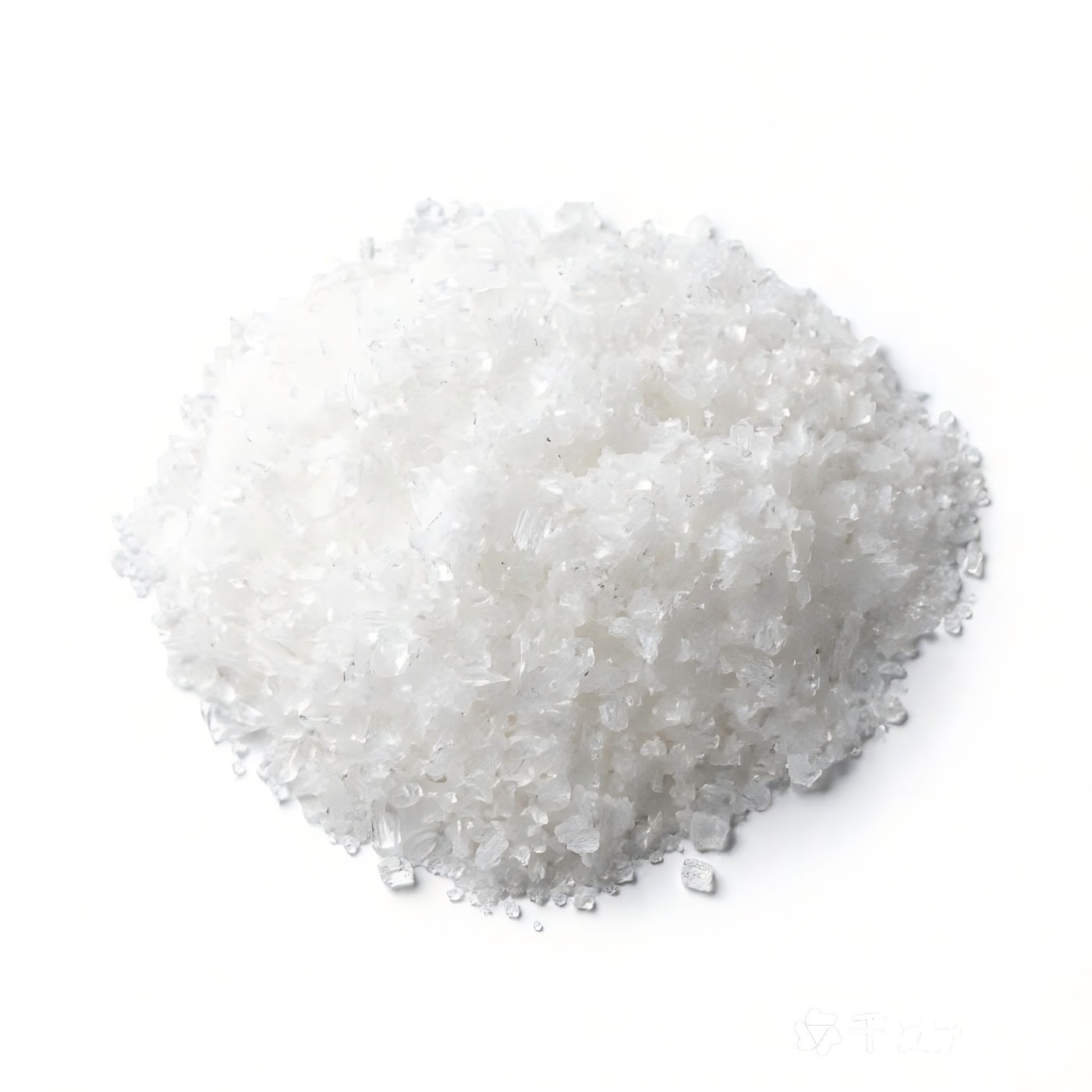
| Appearance | White crystalline powder |
| Assay (technical grade) | ≥99.0% |
| Melting Point | 248°C |
| Solubility | 1,000 g/L in water (20°C) |
| Typical Acid Leach Dosage | 16–50 g/L or 2–5% of feed |
| Typical Alkaline Leach Ratio | NaClO₃:Mo molar ratio 13.5:1 |
Storage & Handling
Store sodium chlorate in tightly sealed containers in a cool, dry, and well-ventilated area. Keep the material separated from organic compounds, reducing agents, acids, and combustible substances.
NaClO₃ is a strong oxidizer. Contact with organic materials may create fire or explosion risks. Operators should wear chemical-resistant gloves, safety goggles, and protective clothing during handling.
In case of spillage, avoid contamination with combustible materials and follow local chemical disposal regulations.
Advantages / Limitations
Advantages
High gold extraction performance from complex refractory materials
Molybdenum recovery exceeding 98% in optimized alkaline carbonate systems
Effective oxidant for nickel and cobalt recovery from secondary resources
Active chlorine generation provides oxidation and metal complexation capability
Suitable for low-grade molybdenum materials and complex hydrometallurgical circuits
Limitations
Strong oxidizing characteristics require strict storage and handling controls
Oxidant consumption depends on mineral composition and process conditions
Acid chloride systems require corrosion-resistant equipment
Alkaline systems may require higher oxidant dosage
Process performance requires optimization according to ore characteristics
Summary
Sodium chlorate (CAS 7775-09-9) is a powerful oxidizing agent for strategic metal extraction, with applications in refractory gold recovery, molybdenum leaching, nickel-cobalt processing, platinum group metal extraction, and battery material recycling.
Through active chlorine generation in acidic chloride systems and oxidation reactions in alkaline environments, NaClO₃ enables efficient treatment of complex resources. With proven recovery performance for gold, molybdenum, nickel, and cobalt applications, sodium chlorate provides an effective oxidizing option for advanced hydrometallurgical operations requiring controlled process conditions.
Sodium Chlorate – FAQ
Q1. How does sodium chlorate function as an oxidation enhancer in mineral leaching processes?
Sodium Chlorate can act as an oxidizing additive in certain hydrometallurgical systems by providing an oxidizing environment that may promote the transformation of mineral phases and improve the accessibility of target metals. In refractory ore treatment, oxidation conditions can influence sulfide mineral behavior, surface reactions, and dissolution kinetics. The actual effect of Sodium Chlorate depends on ore mineralogy, reagent concentration, pH, temperature, and the presence of other oxidants or reducing minerals. Laboratory leaching tests are recommended to evaluate its influence on metal extraction, reagent consumption, and process stability before industrial application.
Q2. How does sodium chlorate improve leaching performance for high-sulfur gold ores?
High-sulfur gold ores often present challenges because sulfide minerals such as pyrite and arsenopyrite can encapsulate gold particles and limit direct leaching efficiency. Sodium Chlorate may assist by providing an oxidizing environment that promotes sulfide oxidation and helps expose gold-bearing surfaces under suitable conditions. Its effectiveness depends on oxidation potential control, mineral composition, particle size, and leaching chemistry. Proper evaluation should include mineralogical analysis, laboratory oxidation tests, and gold recovery measurements to determine whether Sodium Chlorate can contribute to improved gold accessibility within a specific processing route.
Q3. What factors determine the optimal dosage of sodium chlorate in gold leaching applications?
The optimal dosage of Sodium Chlorate varies according to ore characteristics, sulfide content, oxidation requirements, and the existing leaching system. Excessive oxidant addition may increase reagent consumption or influence the stability of other chemicals in the process, while insufficient dosage may not provide the required oxidation effect. Process optimization normally considers parameters such as oxidant concentration, pH, temperature, leaching time, and ore particle size. Laboratory batch tests or pilot trials are commonly used to determine suitable operating conditions based on gold extraction performance and overall process economics.
Q4. How does sodium chlorate concentration affect gold leaching kinetics?
Sodium Chlorate concentration can influence oxidation strength and reaction kinetics during mineral leaching. An appropriate concentration may improve the oxidation of reactive mineral components and support better contact between the leaching solution and valuable minerals. However, the relationship between dosage and recovery is not always linear because excessive oxidation conditions may affect reagent balance or increase unwanted side reactions. Evaluation should include gold dissolution rate, recovery percentage, oxidation potential, impurity behavior, and reagent stability under controlled laboratory conditions to establish suitable operating parameters for each ore type.
Q5. What are the best practices for using sodium chlorate as an oxidation enhancer in nickel-cobalt hydrometallurgy?
In nickel and cobalt hydrometallurgical processes, Sodium Chlorate may be evaluated as an oxidizing additive to influence mineral dissolution and oxidation reactions. Application performance depends on ore mineralogy, acid environment, temperature, residence time, and the presence of elements such as iron, magnesium, and manganese. For laterite and complex nickel-cobalt ores, testing should focus on nickel and cobalt extraction, impurity dissolution, and downstream solution purification compatibility. Process conditions should be optimized through laboratory or pilot-scale evaluation to confirm whether Sodium Chlorate provides practical benefits in a specific leaching system.
Q6. How does sodium chlorate affect arsenic oxidation during leaching of arsenic-bearing gold ores?
For arsenic-bearing gold ores, Sodium Chlorate may influence arsenic-related reactions by providing an oxidizing environment that can affect the oxidation state and distribution of arsenic-containing minerals. The final behavior depends on mineral composition, oxidation conditions, pH, temperature, and interactions with other reagents. Monitoring arsenic dissolution, gold recovery, and solution chemistry is important when evaluating its application. Metallurgical testing using representative ore samples helps determine whether Sodium Chlorate supports improved gold liberation while maintaining appropriate control of arsenic-related processing and environmental considerations.
Q7. How should pH be controlled when applying sodium chlorate in leaching systems?
pH control is an important factor when using Sodium Chlorate as an oxidation enhancer because solution acidity affects oxidizing behavior, mineral reactions, and reagent stability. The suitable pH range depends on the target mineral, leaching chemistry, and the presence of other additives. During process development, operators should evaluate metal extraction, oxidation efficiency, impurity dissolution, and overall solution stability under different pH conditions. Laboratory testing with representative ore samples can help establish appropriate pH control strategies and prevent excessive reagent consumption or undesirable reactions during industrial operation.
Q8. How does sodium chlorate compare with sodium hypochlorite in oxidation-enhanced leaching applications?
Sodium Chlorate and Sodium Hypochlorite are both chlorine-based oxidizing chemicals, but their oxidation behavior and application characteristics are different. Sodium Hypochlorite provides active chlorine species that react differently from chlorate-based oxidation systems, while Sodium Chlorate may behave as a more stable oxidizing compound under certain process conditions. The selection between these reagents depends on mineral type, required oxidation potential, solution chemistry, safety considerations, and downstream processing requirements. Comparative laboratory testing is recommended to evaluate extraction efficiency, reagent consumption, impurity control, and compatibility with the existing hydrometallurgical process.
Q9. How should sodium chlorate performance be evaluated in high-salt or high-calcium process water?
High concentrations of dissolved salts and calcium ions can influence oxidant behavior, mineral dissolution reactions, and overall leaching efficiency. When applying Sodium Chlorate in challenging water conditions, evaluation should include reagent stability, oxidation performance, target metal recovery, and impurity behavior. Laboratory tests using actual process water are recommended because water chemistry can vary significantly between mining sites. Understanding the interaction between Sodium Chlorate, dissolved ions, and mineral surfaces helps determine suitable operating conditions and improves the reliability of oxidation-enhanced leaching processes.
Q10. How does sodium chlorate compare with potassium chlorate as an oxidation enhancer in mineral leaching?
Sodium Chlorate and Potassium Chlorate are chemically related oxidizing agents, but differences in solubility, ionic composition, handling characteristics, and process compatibility may influence their suitability in mineral processing applications. The selection depends on the specific leaching system, required oxidation conditions, mineral composition, and downstream recovery requirements. Comparative testing should evaluate oxidation performance, metal extraction efficiency, reagent consumption, and operational considerations. For industrial applications, reagent selection should be based on metallurgical performance data and compatibility with the complete process flowsheet rather than chemical properties alone.