


TOPO Extractant (Trioctylphosphine Oxide) for Hydrometallurgical Metal Separation
Brief Introduction
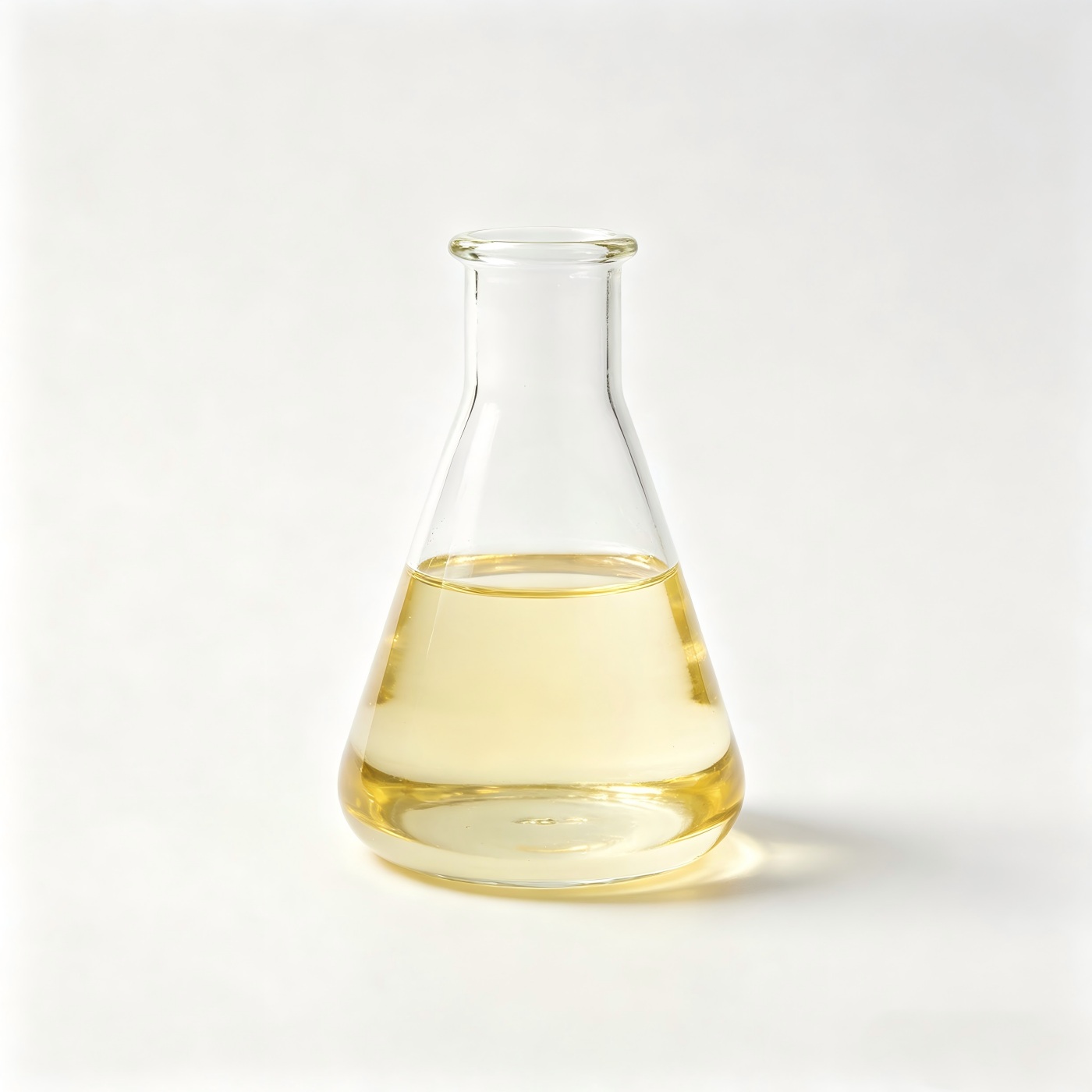
Trioctylphosphine Oxide (TOPO, CAS No. 78-50-2) is a neutral organophosphorus extractant used in hydrometallurgical separation and purification processes. It has a white-to-pale-yellow appearance and good chemical stability under typical acidic extraction conditions.
This product batch (Batch No. 20250905, batch size 5,000 kg) has a minimum assay of 93%, making it suitable for laboratory testing, pilot-scale trials and industrial process evaluation in critical-metal refining. Its neutral solvating properties also make it suitable for use as a synergistic component in combined extractant systems.
Application Scope
TOPO functions as a neutral phosphine oxide extractant for the separation and enrichment of multiple high-value metals. Its reported hydrometallurgical applications include:
Lithium extraction: Used as a co-extractant in selected lithium solvent-extraction systems.
Rare earth separation: Applied in high-purity rare-earth separation and purification processes.
Zirconium-hafnium separation: Used in fractionation systems for zirconium and hafnium group metals.
Refractory and scattered metals: Applied in the recovery of selected metals from nitrate- or chloride-based leach liquors.
TOPO is commonly combined with other extractants as a synergistic component to improve metal selectivity and phase-separation performance. Potential users include mineral-processing research and development laboratories, pilot metallurgical plants, and specialty-chemical distributors serving critical-mineral projects.
Mechanism
As a neutral organophosphorus extractant, TOPO operates through a solvation mechanism. Under acidic aqueous conditions, the phosphoryl oxygen atom donates electron pairs to coordinate with neutral metal-salt complexes formed in the leach solution.
The resulting metal-extractant complexes transfer into the organic phase, while impurity ions remain in the aqueous raffinate. Stripping can be achieved by adjusting the acidity or ionic strength of the aqueous phase to break the coordination bonds and release the metal ions back into the aqueous phase.
Physicochemical Properties
TOPO is a white-to-pale-yellow substance with a solid-to-waxy physical state under ambient temperature. It has low water solubility and good chemical stability under common nitrate-chloride extraction conditions. Its physical state should be considered when preparing the organic phase, as pre-heating is required before mixing with diluents.
Specifications
| Items | Specification | Test Result |
|---|---|---|
| Appearance | White to pale yellow | Complies |
| Assay | ≥ 93% | 93.6% |
| Density | 0.88 g/cm³ | Complies |
| Flash Point | > 230°F | Complies |
| Boiling Point (2 mmHg) | 201–202°C | Complies |
| Solubility in Water | < 1 g/L | Complies |
Batch Information: Batch No. 20250905; Batch Size: 5,000 kg.
Test Report Reference: Certificate No. T01; Certificate Date: 2025-09-08.
Storage & Handling
Store TOPO in a cool, dry and well-ventilated warehouse. Keep containers tightly sealed and segregated from strong oxidizing agents, strong acids and direct sunlight. Avoid prolonged heating during storage.
Wear appropriate personal protective equipment during sampling and transfer operations. Keep the product away from food and drinking water sources. For transportation, refer to the applicable Safety Data Sheet (SDS) for complete hazard classification and shipping guidance.
Advantages / Limitations
Advantages
Chemical stability: Good chemical stability in common nitrate-chloride leach systems.
Synergistic extraction: Effective synergistic performance when compounded with other extractants.
Low aqueous solubility: Low water solubility helps reduce reagent loss to the aqueous raffinate.
Limitations
Physical state: Its solid-to-waxy state under ambient conditions requires pre-heating before mixing with diluents.
High-temperature operation: Long-term continuous operation at high temperatures is not recommended without prior stability assessment.
Process verification: Extraction performance should be evaluated through laboratory shake-out tests before full-scale industrial deployment.
Summary
TOPO (Trioctylphosphine Oxide, CAS 78-50-2) is a neutral organophosphorus extractant for selected hydrometallurgical separation and purification systems. With a minimum assay of 93%, it is suitable for laboratory evaluation, pilot-scale testing and industrial process assessment. Its use as a synergistic extractant component makes it relevant to selected lithium, rare-earth and zirconium-hafnium separation systems, subject to verification under the intended process conditions.
Why Choose FKN PANDA
FKN PANDA supplies specialty mining and hydrometallurgical chemicals for international mineral-processing and metallurgical applications. We support laboratory evaluation, pilot-scale trials and industrial procurement requirements with product information and supply coordination.
TOPO (Trioctylphosphine Oxide, CAS 78-50-2) – FAQ
Q1. What factors should be considered when selecting TOPO for zirconium-hafnium separation?
TOPO selection for zirconium-hafnium separation should be based on feed composition, aqueous acidity, metal concentration, and the required separation factor. Zirconium and hafnium exhibit similar chemical properties, making selective extraction dependent on the formation of suitable metal complexes. TOPO can function as a neutral solvating extractant, particularly in combination with appropriate acidic extractants or other synergistic reagents. Metallurgists should evaluate TOPO concentration, extractant ratios, diluent compatibility, and phase disengagement characteristics through laboratory batch tests. Distribution coefficients, separation factors, extraction kinetics, and stripping efficiency should be assessed together before establishing operating conditions for a continuous solvent extraction circuit.
Q2. How does TOPO improve metal selectivity in solvent extraction circuits?
TOPO improves extraction selectivity by coordinating with suitable metal complexes through its phosphoryl oxygen atom. This interaction can enhance the transfer of specific metal species from the aqueous phase into the organic phase. Its effectiveness depends on metal oxidation state, aqueous anion composition, acidity, and the presence of competing ions. In hydrometallurgical applications, TOPO is often evaluated as a synergistic component alongside acidic organophosphorus extractants to modify extraction behavior and improve separation factors. Laboratory testing should compare distribution ratios and selectivity under different reagent concentrations and phase ratios. The optimum formulation is determined by feed chemistry and the required product purity.
Q3. Which critical metals can benefit from TOPO as a synergistic extractant?
TOPO is a neutral organophosphorus extractant that can support the solvent extraction of selected critical metals, including zirconium, hafnium, rare earth elements, gallium, germanium, and certain other metals, depending on their aqueous chemical forms. Its principal value is often observed in synergistic extraction systems where it modifies the complexation behavior of a primary extractant. For example, combinations with acidic organophosphorus reagents may improve extraction strength or alter metal selectivity. However, TOPO is not universally suitable for every metal or leach solution. Selection should be based on laboratory screening of feed composition, extraction efficiency, separation factors, stripping performance, and reagent stability.
Q4. How can metallurgists optimize TOPO concentration for rare earth separation?
TOPO concentration should be optimized according to rare earth feed composition, the primary extractant, aqueous acidity, and the desired separation targets. In synergistic solvent extraction systems, increasing TOPO concentration may change metal distribution ratios and extraction selectivity, but excessive loading can increase reagent consumption, viscosity, or the risk of third-phase formation. Metallurgists should conduct concentration-gradient experiments while maintaining consistent temperature, organic-to-aqueous phase ratio, and contact time. Key evaluation parameters include individual rare earth distribution coefficients, separation factors, extraction kinetics, and stripping efficiency. Continuous counter-current tests are recommended before industrial implementation to confirm performance under realistic operating conditions.
Q5. What aqueous conditions are suitable for TOPO-based solvent extraction?
The suitability of an aqueous solution for TOPO extraction depends on metal speciation, acidity, and the concentration of complex-forming anions such as chloride, nitrate, or sulfate. As a neutral solvating extractant, TOPO can coordinate with appropriate neutral or ion-associated metal complexes, facilitating their transfer into the organic phase. Aqueous pH alone is therefore insufficient to determine extraction performance. Metallurgical laboratories should investigate free acid concentration, total dissolved metal content, ionic strength, competing impurities, and anion composition. Batch extraction tests across a controlled acidity range can establish suitable operating conditions. The results should also be verified through stripping tests and organic-phase stability assessments.
Q6. How should the diluent be selected for TOPO solvent extraction?
Diluent selection is important for maintaining TOPO solubility, organic-phase stability, extraction kinetics, and efficient phase separation. Common considerations include chemical compatibility, viscosity, density difference between phases, flash point, volatility, and resistance to degradation under process conditions. Aromatic and aliphatic hydrocarbon diluents may exhibit different effects on extractant solubility and metal-complex formation. The appropriate choice depends on TOPO concentration, the primary extractant used in a synergistic formulation, and the composition of the pregnant leach solution. Laboratory evaluation should include solubility testing, phase disengagement time, loading capacity, and third-phase formation assessment before selecting a diluent for industrial operation.
Q7. What problems can occur when using TOPO in chloride-based or nitrate-based leach systems?
TOPO performance in chloride and nitrate systems can vary significantly with acid concentration, anion activity, metal speciation, and competing dissolved elements. Changes in these conditions may reduce extraction selectivity, increase co-extraction, or affect organic-phase loading. High metal concentrations and unsuitable extractant-to-metal ratios may also contribute to third-phase formation or difficult phase disengagement. In chloride systems, variations in complex formation can change the extractability of individual metals. Nitrate systems may exhibit different extraction behavior due to changes in metal-nitrate complexation. Metallurgists should conduct controlled tests using actual process liquors to evaluate extraction efficiency, impurity transfer, stripping behavior, and organic-phase stability.
Q8. What extractant combinations work effectively with TOPO in hydrometallurgical applications?
TOPO is frequently investigated as a synergistic additive in combination with acidic organophosphorus extractants, including D2EHPA and PC88A, depending on the target metal and aqueous chemistry. These combinations can modify metal-complex formation, extraction strength, and separation behavior compared with individual extractants. The effectiveness of a formulation depends on the extractant ratio, aqueous acidity, diluent, metal concentration, and competing ions. For zirconium, hafnium, and selected rare earth applications, laboratory screening is particularly important because small changes in formulation may affect separation factors and stripping requirements. Metallurgists should compare individual and combined extractants through equilibrium tests before selecting an industrial formulation.
Q9. How can TOPO help improve metal recovery and product purity in hydrometallurgical processes?
TOPO can contribute to improved metal recovery and product purity by facilitating the selective transfer of suitable metal complexes into an organic phase. When incorporated into an appropriately designed solvent extraction system, it may help separate target metals from impurities and improve downstream refining efficiency. Actual performance depends on feed chemistry, extractant formulation, operating acidity, phase ratio, and stripping conditions. A complete process assessment should consider extraction efficiency, separation factors, organic loading, impurity co-extraction, and metal losses during scrubbing and stripping. For industrial applications, multi-stage counter-current testing is recommended to establish the relationship between recovery, reagent consumption, and final product specifications.
Q10. How should TOPO concentration and operating conditions be optimized before industrial application?
TOPO optimization should begin with laboratory screening using representative pregnant leach solutions rather than relying solely on synthetic feed compositions. Initial tests should investigate extractant concentration, aqueous acidity, organic-to-aqueous phase ratio, temperature, mixing intensity, and contact time. Metallurgists should measure distribution coefficients, extraction kinetics, phase separation time, stripping efficiency, and organic-phase stability. The most promising conditions can then be evaluated through continuous counter-current or pilot-scale testing to determine stage requirements, reagent consumption, and operating consistency. Particular attention should be given to impurity accumulation, solvent losses, and organic-phase degradation. This systematic approach helps establish reliable design parameters for commercial solvent extraction circuits.